

7 Steps to a Flavor-Balanced Hot Sauce for Beginners
Quick Summary
A flavor balanced hot sauce brings sweetness, acid, salt, and heat into rough agreement, so no single element overpowers the rest. Beginners should judge a sauce by how well it tastes across several bites, not by its heat alone. Balanced sauces also get used more often because they work on more foods.
- Judge a sauce by taste, not just by heat level.
- Mild sauces fade within seconds; medium tingles for 10 to 30 seconds.
- Start with a mild sauce for a week before stepping up to medium.
- Check the label: ingredients appear in order of quantity, so the first few shape the flavor.
- To fix a dish that is too hot, add fat, starch, or sweetness; avoid adding water.
Table of Contents
- A Beginner Heat Scale: Mild, Medium, and Bold
- How to Choose Hot Sauce by Reading the Label
- Hot Sauce Food Pairings for Everyday Meals
- How to Balance Hot Sauce in Your Own Cooking
- Troubleshooting Common Flavor Problems
- Finding Your First Flavor-Balanced Bottle
- Frequently Asked Questions
Why Flavor Balance Matters More Than Raw Heat
Most hot sauce buyers judge a bottle by one number: how hot it is. Yet the bottles people reach for again and again tend to share something else entirely. They taste good on the first bite and keep tasting good on the tenth.
At Lendora's Habenero Hot Sauce, we built our line around that idea. Our bottles are designed for heat that supports the flavor instead of drowning it.
Heat is the element people notice first, but it fades quickly on the palate. Flavor lingers. A sauce with bright acid, a touch of sugar, and savory depth can feel satisfying even at a moderate heat level.
Beginners often make the same mistake: they assume the hottest bottle is the most "authentic." In practice, extreme heat limits where you can use a sauce. A balanced sauce works on eggs, sandwiches, and sauces you cook with, so you reach for it more often.
A Beginner Heat Scale: Mild, Medium, and Bold
A practical heat scale gives you a starting point before you read a single label, and it should also tell you how to move up without wrecking your palate.
- Mild: Adds warmth and pepper flavor without a lingering burn. You can eat a spoonful and the heat fades within a few seconds. Examples include sauces built on cubanelle, poblano, or Anaheim peppers, or mild vinegar-forward sauces where a low-heat pepper is listed after vinegar.
- Medium: Produces a steady tingle that builds across a bite and lingers for maybe 10 to 30 seconds. Habanero-based sauces often land here when fruit, sugar, or vinegar softens the pepper. This is the sweet spot for most beginners.
- Bold: Delivers a strong, lasting kick that demands respect. The burn builds, plateaus, and stays with you for a minute or more. Treat bold sauces as finishing sauces, not dipping sauces, until you know your tolerance.
How to judge heat without guessing. Put a small drop on the tip of your tongue, wait 15 seconds, then swallow.
A gradual progression. Start with a mild sauce on eggs or a sandwich for a week. When that feels routine, move to a medium sauce on the same foods.
Pepper choice drives much of the heat, but the recipe matters just as much. Habanero peppers sit in the upper-middle of the common heat range, which is why they work well for flavorful sauces that still feel approachable.
If you want a built-in progression, start with our Lemon Pepper Hot Sauce for a mild, bright entry point, move to Pineapple Habanero for a medium sweet-heat balance, and treat the Habanero Hot Sauce as your bold step once medium feels easy.
The three heat tiers are easier to compare side by side, so here is a quick summary of what each one feels like.
| Tier | What it feels like | Example |
|---|---|---|
| Mild | Warmth without lingering burn; fades in seconds | Cubanelle, poblano, or Anaheim based |
| Medium | Steady tingle lasting 10 to 30 seconds | Habanero softened by fruit, sugar, or vinegar |
| Bold | Strong, lasting kick lasting a minute or more | Treat as a finishing sauce |
How to Choose Hot Sauce by Reading the Label
The ingredient list tells you more than the marketing copy. Ingredients appear in order of quantity, so the first few items shape the flavor most. Peppers listed first mean the sauce leans on heat and pepper character. Vinegar listed early points to sharpness and tang. Sugar or fruit listed early signals sweetness that will soften the burn, which is why a flavor balanced hot sauce reads the label closely. Understanding these ratios provides the necessary foundation for growing hot peppers that possess the specific flavor profile you intend to bottle.
Look for these details on the label:
- Pepper type and position: Confirms the heat source and roughly how hot the sauce will run.
- Acid source: Distilled vinegar, apple cider vinegar, or citrus indicates the brightness you will taste.
- Sweetener or fruit: Adds balance if the sauce is sharp, or can make a hot sauce taste dessert-like if overused.
- Dietary notes: Labels that say vegan, gluten-free, or dairy-free help you match sauces to your cooking.
Our Habanero Hot Sauce lists red peppers, distilled vinegar, apple cider vinegar, habanero peppers, cubanelle peppers, water, and spices.
Pineapple Habanero Hot Sauce →
Hot Sauce Food Pairings for Everyday Meals
Pairing is where balanced sauce earns its place in the kitchen. Sweet-heat sauces suit grilled proteins and tacos. Tangy, pickle-inflected sauces work on sandwiches and anything you would normally eat with pickles.
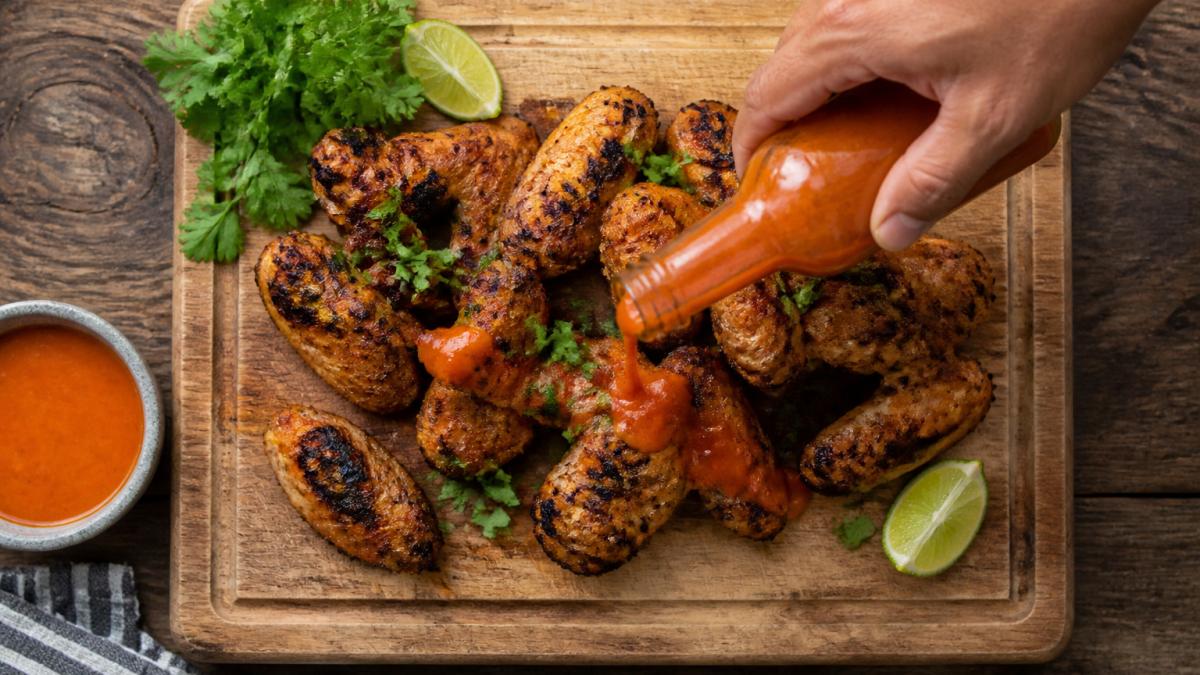
Here is a simple starting guide:
- Lemon Pepper Hot Sauce: Its fresh lemon and cracked pepper complement savory dishes.
- Pineapple Habanero Hot Sauce: Its sweet pineapple leads, followed by habanero heat.
- Hot Pickle Hot Sauce: Pairs well with anything you would eat with pickles.
Start with a small amount and adjust to your own preferences.
How to Balance Hot Sauce in Your Own Cooking
You can build balance in your own dishes with a repeatable method. Start by tasting the dish and identifying what it needs: more brightness, more sweetness, more heat, or more savory depth.
- Taste first. Note whether the dish feels flat, sharp, sweet, or harsh.
- Add acid if it tastes flat. A squeeze of lemon or lime, or a splash of vinegar-based sauce, often wakes a dish up.
- Add sweetness if the heat feels sharp. A fruit-based sauce or a small pinch of sugar can round out the burn.
- Add salt sparingly. Salt makes both heat and flavor more noticeable.
- Add hot sauce in small increments. Stir, taste, and add more only if needed.
Repeat the process until the dish feels complete. Keep notes on what worked. Over time, you will develop a feel for how each sauce changes a recipe.
Troubleshooting Common Flavor Problems
Even good sauces can misbehave in the wrong dish, and the fix depends on which element is out of line. Work through these one at a time, tasting between each addition, and change only one thing at a time so you learn what worked.
- Too hot: Add fat, starch, or sweetness. A spoonful of sour cream, a splash of cream, a pat of butter, or a handful of cooked rice or pasta will dilute the capsaicin. A pinch of sugar or a fruit-based sauce rounds the edge. Do not add water; it spreads the burn without reducing it.
- Too sour or sharp: Add sweetness first, then salt. A small pinch of sugar, a drizzle of honey, or a fruit-based hot sauce softens vinegar and citrus. If it still bites, a pinch of salt makes the acid taste rounder rather than harsh.
- Too sweet: Add acid and salt. A squeeze of lime or lemon, a splash of vinegar, or a tangy pickle-based sauce pulls sweetness back into balance. A pinch of salt also makes sweetness taste less cloying.
- Too salty: Add bulk and acid, never more salt. Stir in more of the base ingredient (rice, beans, tomatoes, stock) or a squeeze of citrus. A little sugar can mask saltiness, but only as a last resort.
- Too thin: Reduce it or thicken it. Simmer the sauce gently to evaporate water, or whisk in a small amount of cornstarch slurry, tomato paste, or pureed roasted pepper. For a dipping sauce, a spoonful of mayonnaise or yogurt adds body.
- Bland or flat: Add acid, salt, and savory depth in that order. A squeeze of lemon or lime, a splash of vinegar-based sauce, or a pinch of salt often wakes a dish up. If it still tastes hollow, add umami: a few drops of soy sauce, a spoonful of miso, or a dusting of mushroom powder.
Timing matters as much as the fix. A common mistake is adding hot sauce too early in long-cooking recipes. Heat and acidity can intensify as liquids reduce, so add the sauce partway through cooking and taste again at the end. For soups and stews, season with hot sauce in the last 10 minutes; for marinades, remember that acid will keep working on the meat while it sits.
Keep a tasting log. Note the dish, the sauce, how much you added, and what you changed. After a few weeks you will see patterns, such as which of your favorite dishes always needs acid or always needs sweetness. That log becomes your own troubleshooting guide, and it is more useful than any general rule.
Finding Your First Flavor-Balanced Bottle
Start with a sauce that tastes good on its own, then test it on two or three dishes you already cook. If it works on eggs, chicken, and a sandwich, you have found a versatile bottle.
Our Pineapple Habanero Hot Sauce is a good first choice for people who want sweet-heat balance. The Lemon Pepper version suits anyone who enjoys bright, citrusy flavor. Hot Pickle suits fans of tangy, savory condiments. Our Habanero Hot Sauce is the place to start if you want a smoky, pepper-forward sauce with a steady kick.
All of our sauces are all natural, with no preservatives, and they are gluten-free, dairy-free, and vegan. Each comes in a 5 oz bottle, priced at $10.00. Choose one, try it on a meal this week, and see how a balanced sauce changes your cooking.
Frequently Asked Questions
What makes a hot sauce flavor-balanced?
A flavor-balanced hot sauce lets heat sit alongside vinegar tang, fruit or vegetable sweetness, salt and fresh aromatics rather than overpowering them. Look for a sauce where you can still taste the pepper, the acid and the other ingredients in each bite. Lendora's Habanero Hot Sauce is built around this idea: habanero heat paired with fresh herbs and vinegar, so the flavor stays bold without turning harsh. When you taste a sauce, ask whether any single element dominates. If nothing does, the sauce is likely balanced.
Is habanero hot sauce too spicy for beginners?
Not necessarily. Habanero is hot, but the heat of a finished sauce depends on how much pepper it contains and what it is combined with. Lendora's Habanero Hot Sauce, priced at $10.00 for a 5 oz bottle, is designed for flavor first rather than extreme heat, so it works well for people who want a warm kick without a punishing burn. Start with a few drops on eggs or wings, then add more once you know your tolerance. Beginners who want something milder can try the Pineapple or Lemon Pepper varieties, where fruit and citrus soften the heat.
What foods pair well with mild hot sauce?
Mild hot sauces suit foods that already have plenty of flavor and need a gentle lift: grilled vegetables, scrambled eggs, roasted potatoes, tacos and mild white fish. The Pineapple Habanero Hot Sauce offers sweet pineapple followed by habanero heat. The Hot Pickle Hot Sauce pairs well with anything you would normally eat with pickles. Start with a small amount on the plate and build from there.
How do you balance heat in hot sauce without losing flavor?
Balance comes from pairing heat with acid, sweetness and salt so no single note takes over. Vinegar and citrus brighten the sauce, fruit or vegetables add body, and a small amount of salt makes the other flavors stand out. When adjusting a sauce at home, change one ingredient at a time and taste after each change. If the sauce tastes flat, add a little acid. If it tastes harsh, add sweetness or more base ingredients to dilute the heat.
