

Best Hot Sauce for Fish Tacos: 4 Bottles Ranked
Table of Contents
- What Sauce Goes With Fish Tacos (and Why Balance Wins)
- Best Hot Sauce for Fish Tacos: Ranked Comparison
- Pineapple Hot Sauce for Fish Tacos: The Sweet-Heat Pick
- Habanero Hot Sauce for Fish: Smoke, Vinegar, and Measured Kick
- Creamy Fish Taco Sauce: Where Hot Sauce Fits In
- Pairings by Fish Type and Preparation
- Heat Levels, Ingredients, and What to Check on the Label
- Conclusion
- Frequently Asked Questions
Last Updated: October 19, 2026
What Sauce Goes With Fish Tacos (and Why Balance Wins)
The best hot sauce for fish tacos is a bright, tangy sauce with moderate heat that lifts the fish without burying it. At Lendora's Habenero Hot Sauce, we build every bottle around that idea: flavor first, heat second.

Fish is delicate. A sauce that scorches your palate on the first bite wipes out the flavor of the fish entirely. That is the core problem with most hot sauce recommendations for fish tacos: they treat heat as the goal, when heat is really just the seasoning.
The Four Flavor Jobs a Fish Taco Sauce Has to Do
A fish taco sauce has to deliver four things: acidity, creaminess, herbal freshness, and controlled heat. Skip any one of them and the taco feels flat.
- Acidity cuts through the richness of fried fish and creamy toppings. Lime juice is the classic move.
- Creaminess softens the heat and carries fat-soluble flavor. Sour cream, crema, and mayonnaise all do this.
- Herbal freshness comes from cilantro and other herbs, giving each bite a clean finish.
- Controlled heat adds a warm kick without numbing the tongue.
The USDA FoodData Central database is a useful reference if you want to check what is actually in a bottled sauce before you buy it.
Best Hot Sauce for Fish Tacos: Ranked Comparison
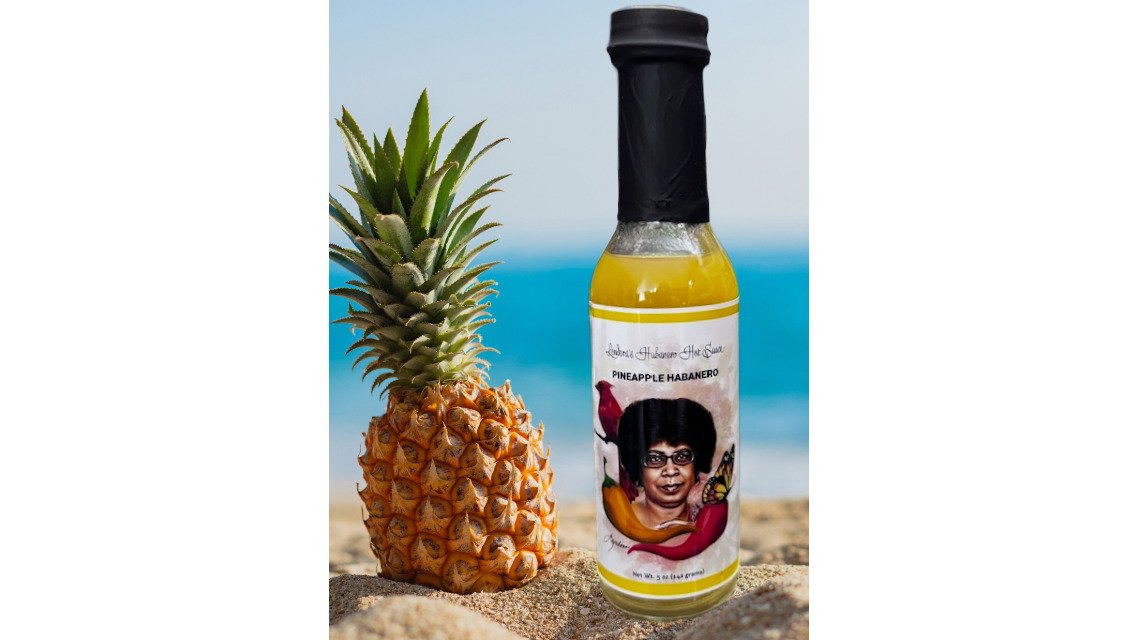
1. Pineapple Habanero Hot Sauce: best overall. Bright pineapple up front, subtle tang, then a warm habanero finish.
2. Lemon Pepper Hot Sauce: best for fried fish. Fresh lemon and cracked pepper cut straight through batter and oil.

3. Habanero Hot Sauce: best for a smoky backbone. Red peppers, distilled vinegar, apple cider vinegar, habanero, Cubanelle peppers, and spices.
**4.
Side-by-Side Comparison Table
Sauce |
Flavor Profile |
Heat Level |
Best Fish Pairing |
Price |
Value per Ounce |
|---|---|---|---|---|---|
Pineapple Habanero |
Sweet, tangy, warm finish |
Medium |
Grilled, blackened |
$10.00 |
$2.00/oz |
Lemon Pepper |
Zesty lemon, cracked pepper |
Medium |
Fried, battered |
$10.00 |
$2.00/oz |
Habanero |
Smoky, vinegary, spicy |
Medium-high |
Charred, seared |
$10.00 |
$2.00/oz |
Hot Pickle |
Sweet-savory, pickle tang |
Medium |
Fish sandwiches |
$10.00 |
$2.00/oz |
How We Scored These Bottles
A fish taco is a stacked bite: tortilla, fish, slaw or cabbage, crema, lime, and salsa. A hot sauce has to survive all of that without disappearing or taking over. We weighted the four jobs like this:
- Acidity and tang (30%): Does the sauce cut through batter, oil, and crema? Vinegar- and fruit-based sauces score higher than thin pepper waters.
- Creaminess compatibility (25%): Does a spoonful blend into sour cream or crema without breaking or turning watery? This is where thin sauces lose points.
- Herbal and aromatic freshness (25%): Does the sauce leave a clean finish, or does it coat the tongue and mute the fish?
- Controlled heat (20%): Is the burn measured enough that you still taste the fish on the second and third taco?
A common pattern among bottled sauces is to over-index on heat and under-index on acidity, which is why so many of them flatten a fish taco. The four bottles above were chosen because each one clears at least three of the four jobs, and the top two clear all four.
Pineapple Hot Sauce for Fish Tacos: The Sweet-Heat Pick
Pineapple hot sauce for fish tacos works because fruit acidity mimics lime. The Pineapple Habanero Hot Sauce leads with juicy pineapple, turns subtly tangy, then lands a warm habanero kick. It is all natural, gluten-free, dairy-free, and vegan.

Use it on grilled mahi-mahi or blackened snapper. A common mistake is drenching the taco; a thin drizzle is enough. The sweetness should sit behind the fish, not on top of it.
Habanero Hot Sauce for Fish: Smoke, Vinegar, and Measured Kick
Habanero hot sauce for fish brings smoke and vinegar, the two flavors that make seafood taste like it came off a grill. The Habanero Hot Sauce blends red peppers, distilled vinegar, apple cider vinegar, habanero, Cubanelle peppers, water, and spices. It is vegan, gluten-free, nut-free, and dairy-free, though not celiac friendly.
This is the bottle for seared tuna or charred fish tacos. Vinegar-based sauces cut oil and fat better than cream-based ones, which matters when you fry.
Pineapple Habanero Hot Sauce →
Creamy Fish Taco Sauce: Where Hot Sauce Fits In
Creamy fish taco sauce is a base, not a rival. Start with sour cream or crema, add lime juice and cilantro, then stir in hot sauce to taste. That is the taqueria-style approach, and it gives you control over heat.
Most bottled sauces are too thin to be the creamy layer on their own. Use them as the flavor engine inside the crema. A spoonful of Habanero Hot Sauce in half a cup of sour cream makes a smoky, tangy sauce in under a minute.
Pairings by Fish Type and Preparation
Different fish and cooking methods call for different bottles. Here is how we would pair them.
- White flaky fish (cod, tilapia), fried: Lemon Pepper. The zest and pepper cut the batter.
- Firm fish (mahi-mahi, snapper), grilled: Pineapple Habanero. Fruit acidity complements char.
- Oily fish (salmon, tuna), seared: Habanero. Smoke and vinegar balance the richness.
- Shrimp or fish sandwiches: Hot Pickle. The pickle tang works where tacos feel too light.
A common mistake is using one sauce for every taco. Match the bottle to the cooking method and the fish gets noticeably better.
Heat Levels, Ingredients, and What to Check on the Label
Heat level matters more than brand loyalty, and it is the one thing most fish-taco sauce lists skip. All four Lendora's bottles sit in the medium to medium-high range: enough kick to notice, not enough to overwhelm. If you are not a heat seeker, start with Pineapple Habanero or Lemon Pepper.
A Practical Heat Scale for Fish Tacos
Scoville ratings are useful for comparing peppers, but they do not tell you how a sauce behaves on a taco. Use this practical scale instead:
- Mild: The burn fades within a few seconds and never reaches the back of the throat. Best for mild white fish like cod or tilapia, and for anyone serving kids or heat-sensitive guests.
- Medium: A warm, lingering tingle that stays on the tongue. This is the sweet spot for fish tacos because it adds interest without burying delicate flesh. Pineapple Habanero and Lemon Pepper sit here.
- Medium-high: A clear, building burn that lasts through the bite. Best for oily or strongly flavored fish like salmon or tuna, and for fried fish where the batter can carry the heat. Habanero sits here.
- Hot: An immediate, sharp burn that dominates the palate. Use sparingly on fish tacos, and only when the taco already has crema or slaw to soften it.
A common pattern is to treat habanero as a single heat level, but habanero sauces vary widely depending on how much pepper is in the bottle and whether fruit or vinegar dilutes it. Taste a drop on a plain tortilla before you commit a whole taco to it.
What to Check on a Bottle Before You Buy
Check the label for four things: the pepper type, whether the base is vinegar or fruit, the sodium level, and allergens. The FDA guidance on food allergen labeling explains what manufacturers must disclose, which helps you screen sauces fast.
- Pepper type: habanero is fruity and hot; Cubanelle adds mild sweetness. A blend of peppers usually means a more rounded heat than a single-pepper sauce.
- Base: vinegar-based sauces cut fat; fruit-based sauces add brightness. If the first ingredient is water, expect a thinner sauce that will not hold up in crema.
- Sodium: hot sauce is a high-sodium category, and fish tacos already carry salt from the fish, tortillas, and slaw. If you are watching sodium, compare the milligrams per serving on the label and adjust the salt you add to the crema.
- Allergens and dietary claims: check for gluten and dairy claims, especially if you are sensitive. Vegan and dairy-free labels matter if you are blending the sauce into a plant-based crema.
Dietary and Ingredient Transparency
Fish tacos are often a lighter meal, and the sauce should not undo that. Look for bottles that list peppers, vinegar, fruit, and spices rather than a long ingredient deck of gums and thickeners. Vegan, dairy-free, gluten-free, and nut-free claims are worth checking if you are cooking for a mixed table. A sauce that is thin and vinegar-forward is usually the safest bet for dietary screening because it has fewer ingredients to question.
Conclusion
Choosing a sauce for fish tacos comes down to matching flavor to the fish, not chasing the hottest bottle on the shelf. A tangy, creamy, herby sauce with measured heat will beat a scorcher every time.
We built Lendora's around that principle: a smooth blend of peppers and fresh herbs with a balanced heat profile, made in small batches in Virginia. Our Pineapple, Lemon Pepper, and Habanero bottles each handle a different taco. Get started with Lendora's Habenero Hot Sauce and taste the difference balance makes.
Frequently Asked Questions
What sauce pairs with fish tacos?
Two styles work: a creamy base and a thin, acidic hot sauce. A creamy fish taco sauce made from sour cream or crema with lime and cilantro cools the fried fish and carries the herbs. A vinegar-based habanero hot sauce adds tang and heat without heaviness. Many taquerias serve both, letting you add cream first and heat second. For grilled fish, lean on the hot sauce; for battered fish, start with cream and finish with a few dashes of sauce so the crust stays crisp.
Can I use habanero hot sauce on fish tacos?
Yes, and it is one of the better choices. Habanero brings a fruity, smoky flavor that stands up to lime, cabbage, and cilantro without burying the fish. The key is dosage: start with a few drops per taco and taste before adding more. A measured habanero sauce with vinegar and red pepper, like a small-batch bottle, gives you heat you can control. Avoid drenching delicate white fish, since the sauce will mask the flavor you paid for.
Is a creamy sauce or a vinegar-based hot sauce better for fish tacos?
They do different jobs, so use both. Creamy sauces, whether sour cream, crema, or a yogurt blend, add richness and tame heat, which suits battered or fried fish. Vinegar-based hot sauces cut through oil and brighten grilled or seared fish. A practical order: spread cream on the tortilla, add the fish, then finish with a few dashes of hot sauce. That gives you crunch, richness, acid, and heat in one bite instead of one flat note.
How spicy should hot sauce for fish tacos be?
Mild to medium is the sweet spot for most home cooks. Fish is delicate, and a sauce that scorches the roof of your mouth hides the lime, cabbage, and cilantro that make the taco work. Look for a sauce described as measured or balanced rather than extreme. If you want more kick, add sliced fresh chile or a second dash at the table. Serving the sauce on the side lets everyone at the table set their own heat level.
What flavors go well with fish in tacos?
Acid, herbs, and a little sweetness. Lime juice is the anchor, followed by cilantro, mild onion, and shredded cabbage for crunch. Creamy elements like sour cream or crema soften the acid. Fruit-forward heat, such as pineapple hot sauce, plays well with grilled fish because the sweetness mirrors the char. Smoky and vinegary notes round things out. Keep the fish seasoning simple, usually salt, pepper, and cumin, so the sauce and garnishes carry the flavor.