

Best Vinegar Based Hot Sauce Brands to Try
Quick Summary
Vinegar based hot sauce is a classic style that adds tang and lowers pH so it keeps well on a shelf. Look for distilled white vinegar for a sharp, neutral bite, apple cider for fruity softness, and rice vinegar for a milder finish.
- Vinegar adds tang and lowers the sauce's pH, helping it keep its flavor without heavy preservatives.
- Distilled white vinegar is neutral and sharp; apple cider vinegar brings a fruity, slightly sweet tang.
- Check the ingredient list: peppers and vinegar should be the first two items on a well-made sauce.
- Vinegar-based sauces are bottled fresh and taste consistent from bottle to bottle, unlike fermented sauces.
- Buy one classic vinegar-forward sauce as a baseline, then add one flavored variety for another food category.
Table of Contents
- Why Vinegar Is the Backbone of Great Hot Sauce
- How to Choose a Vinegar Based Hot Sauce for Your Cooking
- Quick Comparison of Lendora's Habanero Hot Sauce Lineup
- Lendora's Habanero Hot Sauce: Our Top Pick for Balanced Heat
- Lendora's Pineapple, Lemon Pepper and Hot Pickle Varieties
- Pairing Vinegar Hot Sauce With Seafood, Wings and Vegetables
- Start Your Own Lendora's Hot Sauce Lineup Today
- Frequently Asked Questions
Why Vinegar Is the Backbone of Great Hot Sauce
Last Updated: November 17, 2026
If you have ever wondered why some hot sauces taste bright and sharp while others taste flat, the answer is usually vinegar. At Lendora's Habenero Hot Sauce, our sauces are built around a vinegar base. Vinegar based hot sauce is a classic style, and it is the focus of this guide.
Vinegar does two jobs at once. It adds tang, and it lowers the pH of the sauce so it keeps well on a shelf. That combination is why the vinegar-based hot sauce category has stayed so popular with home cooks for decades.
How acidity preserves flavor and balances heat
Acidity is what makes a hot sauce safe and stable. Vinegar brings the pH down far enough that spoilage bacteria struggle to grow, which means the sauce keeps its flavor longer without relying on heavy preservatives.
Acidity also changes how heat feels on the tongue. A sharp vinegar note arrives first and cuts through the fat in wings or grilled meat. The capsaicin heat follows, and it feels rounder and easier to manage. Many sauces that taste overpowering in plain pepper form become balanced once vinegar is added.
Our Habanero Hot Sauce lists both distilled and apple cider vinegar in its ingredients, along with red and Cubanelle peppers.
Vinegar-based versus fermented hot sauces
Vinegar-based sauces are made by blending peppers with vinegar, salt and seasonings, then bottling them fresh. The flavor is bright, immediate and consistent from bottle to bottle.
Fermented sauces take a different route. For a deeper look at how habanero and jalapeño sauces compare on flavor, read our Habanero vs Jalapeño Sauce: A Flavor Guide. The peppers and their sugars ferment over weeks or months, producing funky, deep flavors. Fermented styles can taste more complex, but they vary more between batches and often need refrigeration after opening.
Neither style is better across the board. If you want a sauce that adds fresh, zesty heat to whatever is on the plate, a vinegar-based sauce is usually the easier choice.
How to Choose a Vinegar Based Hot Sauce for Your Cooking
Choosing well starts with the vinegar, not the pepper. The vinegar type sets the pH, the sharpness and the way the sauce behaves on the plate, so read the label for the vinegar before you read it for the heat level.
Know the common vinegars. Distilled white vinegar is the workhorse of the category: neutral, sharp and cheap, and it lets the pepper flavor come through without adding its own character. Apple cider vinegar brings a fruity, slightly sweet tang and a softer edge, which is why it shows up in sauces that lean smoky or fruity. Rice vinegar is milder and rounder, useful when you want acidity without a hard bite. Red wine vinegar and sherry vinegar add wine-like complexity and work well in sauces aimed at grilled meat. Balsamic is sweeter and thicker and is rare in hot sauce because its sugar content can complicate stability. Many commercial sauces blend two vinegars, such as distilled plus apple cider, to get sharpness and depth at once.
Match the vinegar to the food. This is where most buying guides stop short. The chemistry matters: vinegar's acetic acid cuts through fat and coats the tongue before the capsaicin lands, which is why a sharp vinegar-based sauce works so well on fried chicken, wings and rich pork. For fried foods, a distilled-vinegar-forward sauce with a clean bite is the classic match because the acid resets the palate between bites of fat. For fish and shrimp, a rice-vinegar or lemon-forward sauce is gentler and complements the delicate protein instead of burying it. For tacos and grilled meat, an apple cider or red wine vinegar base stands up to char and smoke. For vegetables and grains, a milder rice vinegar or a fruit-infused vinegar adds lift without overpowering. Watch out: a very sharp distilled-vinegar sauce can overwhelm delicate seafood, so taste before you pour.
Check the order of ingredients. Ingredients are listed by weight. Peppers and vinegar should be the first two items on a well-made sauce. If water or sugar appears before the peppers, you are likely looking at a diluted or sweet-forward product. Fewer, recognizable ingredients are a reasonable signal of quality, though some sauces legitimately use thickeners and natural flavors.
Read the pH if it is published. A shelf-stable hot sauce should sit below pH 4.6, and most vinegar-based sauces land between 3.2 and 3.8. Some artisanal makers publish pH or acidity; if they do, use it as a freshness and safety signal. If they do not, the vinegar position on the ingredient list is your best proxy.
Be honest about heat tolerance. Many buyers assume they want the hottest bottle on the shelf, then find it flattens everything they cook. A balanced sauce with clear pepper flavor and a measured vinegar bite is more useful day to day than a novelty extract sauce. If you are unsure, buy a smaller bottle first.
Consider add-ins and pairings. Fruit, citrus, pickle and herb notes change how a sauce pairs. A pineapple-habanero sauce suits pork and seafood; a lemon-pepper sauce suits chicken and fish; a pickle-forward sauce suits burgers and sandwiches. Buy one classic vinegar-forward sauce as your baseline, then add one flavored variety to cover a different food category.
Grocery store versus artisanal. Mass-market vinegar sauces are consistent, inexpensive and widely available, and their formulas are built for long shelf life. Artisanal sauces often use better peppers and more distinctive vinegars, but they vary more between batches and may need refrigeration after opening. Neither is automatically better; match the bottle to how often you cook and how much variety you want.
Quick Comparison of Lendora's Habanero Hot Sauce Lineup
| Sauce | Starting Price | Key Flavor Notes | Best For |
|---|---|---|---|
| Habanero Hot Sauce | $10.00 | Smoky, balanced heat | Everyday cooking, wings, tacos |
| Pineapple Habanero Hot Sauce | $10.00 | Sweet, tangy, warm kick | Seafood, pork, grilled dishes |
| Lemon Pepper Hot Sauce | $10.00 | Zesty lemon, cracked pepper | Chicken, fish, vegetables |
| Hot Pickle Hot Sauce | $10.00 | Sweet and savory pickle, gentle tingle | Burgers, sandwiches, anything you pair with pickles |
All four sauces are 5 oz bottles priced at $10.00 each.
Lendora's Habanero Hot Sauce: Our Top Pick for Balanced Heat
Our top pick is the Habanero Hot Sauce. It has a smoky, flavorful profile with a twist of heat.
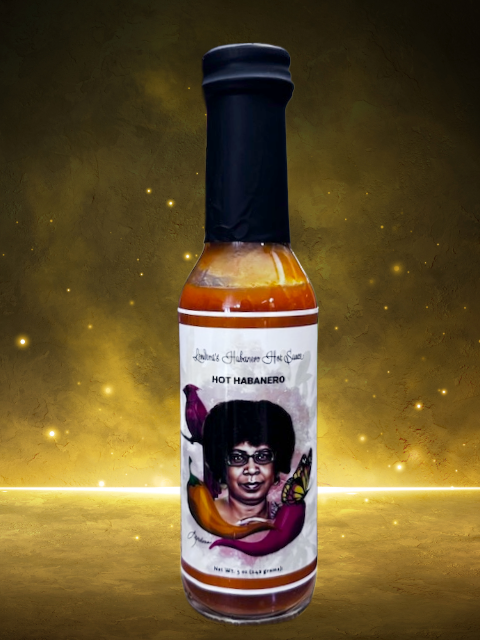
One customer wrote that they made wings with it and found it "sooo good," with just the perfect tangy taste. Another said they have been putting it on everything since last weekend.
The sauce is vegan, dairy-free and nut-free, and it is manufactured in Virginia. One caveat: it is not celiac friendly, so check with your doctor if you are avoiding gluten strictly.
Best for: cooks who want reliable, balanced heat for everyday meals. Skip if: you need a sauce that is safe for celiac disease.
Lendora's Pineapple, Lemon Pepper and Hot Pickle Varieties
If you want to move beyond classic heat, our other three varieties add distinct flavor profiles to the same vinegar-forward base.
The Pineapple Habanero Hot Sauce leads with bright, juicy sweetness, then settles into the habanero warmth. It suits grilled pork, seafood and anything with a bit of char.
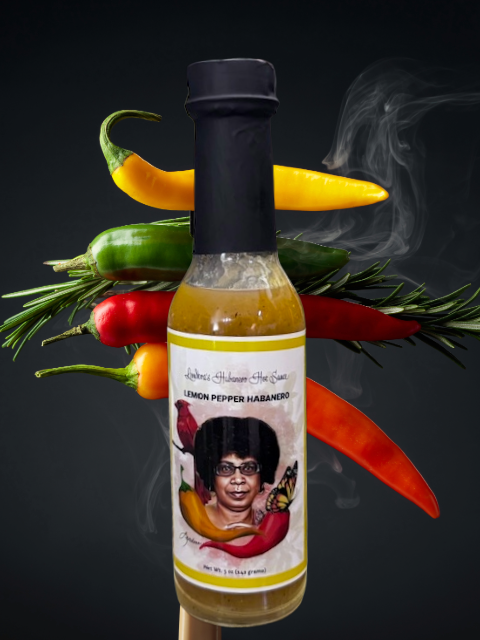
The Lemon Pepper Hot Sauce delivers a zesty lemon note followed by cracked pepper, with a measured habanero heat.
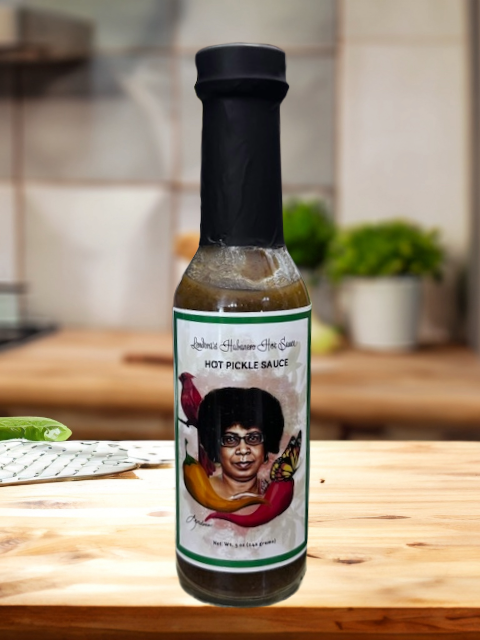
The Hot Pickle Hot Sauce combines habanero with bread-and-butter pickles for a sweet and savory flavor. One customer told us they do not eat pickles but found it really good and highly recommended it.
Many people are skeptical of fruit in hot sauce. Our advice is to try the pineapple version on something savory first. The sweetness balances the vinegar and the heat, and it rarely tastes like dessert.
Pairing Vinegar Hot Sauce With Seafood, Wings and Vegetables
Vinegar-based sauces pair well with foods that need a bright lift.
Start with small amounts and adjust to taste. You can always add more, but you cannot take it away.
Start Your Own Lendora's Hot Sauce Lineup Today
A vinegar-based hot sauce is one of the easiest ways to make ordinary meals taste better. Start with the classic Habanero, then add the Pineapple, Lemon Pepper or Hot Pickle variety when you want something different.
At Lendora's Habenero Hot Sauce, we make our sauces to balance heat with flavor. Grab a bottle today and find out which one becomes your everyday favorite.
Frequently Asked Questions
What is the best vinegar-based hot sauce?
There is no single winner because the best choice depends on the heat you want and the flavor you are building. Vinegar-based sauces tend to be tangy and bright, which suits wings, tacos and seafood. Lendora's Habanero Hot Sauce, at $10.00 for a 5 oz bottle, is a strong starting point because it blends habanero heat with smoky, herb-forward flavor. Try a small bottle first, then move to flavored varieties like Pineapple or Hot Pickle once you know how the base sauce fits your cooking.
What makes a hot sauce vinegar-based?
A hot sauce is vinegar-based when vinegar is one of the main liquids and a key preservative, usually listed near the top of the ingredient label. Distilled and apple cider vinegars are the most common. Lendora's Habanero Hot Sauce lists both distilled vinegar and apple cider vinegar alongside red peppers, habanero peppers and cubanelle peppers, so the acidity shapes the tang you taste first. Checking the ingredient list is the fastest way to confirm a sauce's base.
Does vinegar make hot sauce taste less spicy?
Vinegar does not remove capsaicin, but its sharp acidity can make heat register differently, often as a brighter, tangier burn rather than a long, flat one. Many people find vinegar-forward sauces easier to pair with food because the acidity cuts richness. If you prefer balanced heat over extreme spice, Lendora's Habanero Hot Sauce is built for that balance.
Which vinegar-based hot sauces are best for cooking?
Sauces with a clean, balanced flavor work best in cooking because they can be added during or after heating without turning bitter.
