

How Do You Elevate Bland Chicken Wings?
Last Updated: November 24, 2026
Quick Summary
To elevate bland chicken wings, season them early with salt so it dissolves and carries flavor into the meat, then add dry spices. Pat the wings dry, season at least 30 minutes ahead, and add any sauce only after cooking.
- Season raw wings at least 30 minutes before cooking so the salt can work into the meat.
- For about 2 pounds of wings, start with 1 1/2 teaspoons of kosher salt.
- Pat wings completely dry, because moisture makes seasoning fall off and skin steam.
- For already-cooked wings, re-crisp them at high heat, then season while hot.
- Toss wings in sauce only after cooking so the skin stays crisp.
Table of Contents
- How Do You Elevate Bland Chicken Wings Before They Hit the Heat?
- Start by Checking Whether Your Wings Are Raw, Frozen, Pre-Seasoned or Cooked
- Chicken Wing Seasoning Ideas: Dry Rubs, Spice Blends and Salt Ratios
- How to Make Crispy Chicken Wings While Adding Flavor
- How to Fix Bland Cooked Chicken Wings in Minutes
- Best Sauces for Chicken Wings and How to Toss Them
- Flavor Troubleshooting: Matching the Fix to the Problem
- Your Next Batch: Building a Wing Plan That Tastes Right
- Frequently Asked Questions
Bland chicken wings are one of the most common kitchen letdowns, and the fix is usually simpler than people expect. At Lendora's Habenero Hot Sauce, we believe a wing should taste good before any sauce touches it. Elevating bland chicken wings comes down to salt, a little seasoning, and knowing when to add flavor. Below, we show you how to fix them whether they're raw, frozen, pre-seasoned, or already cooked.
How Do You Elevate Bland Chicken Wings Before They Hit the Heat?
Elevating bland chicken wings means seasoning them early, with salt first and flavor second. Salt does most of the work. It dissolves into the surface moisture, draws that moisture back into the meat through osmosis, and carries dissolved seasonings along with it.
Many cooks make the mistake of waiting until after cooking to season. By then, the flavor sits on the surface and never gets inside. Season raw wings well before cooking, ideally a few hours ahead or overnight in the fridge.
Here is a simple starting point:
- Pat the wings completely dry with paper towels
- Toss them with salt, black pepper, and garlic powder
- Let them rest uncovered in the fridge for 1 to 12 hours
- Cook as you normally would
Dry Brining vs. Wet Brining: Which One to Use
Dry brining means salting the wings and letting them rest uncovered. The salt pulls moisture to the surface, dissolves, and then reabsorbs into the meat, carrying seasoning with it. With the skin drying and the seasoning settling into the meat, Shop Wacky offers a natural next step in thinking about how salt and other seasonings build flavor.
Wet brining means soaking the wings in a saltwater solution, usually with sugar and aromatics. It adds moisture and seasoning, but it also leaves the skin wet, so you must rinse and dry the wings thoroughly before cooking or the skin will steam instead of crisp.
Salt Ratios That Actually Work
Eyeballing salt is the most common reason wings come out either flat or too salty. A repeatable ratio removes the guesswork. For about 2 pounds of wings, start with 1 1/2 teaspoons of kosher salt. That is roughly 3/4 teaspoon per pound. If you are using fine table salt instead of kosher, cut the amount by about a quarter, because fine salt packs more tightly into the same spoon.
Watch out: If your wings are pre-seasoned or enhanced with a sodium solution, skip the added salt entirely and rely on dry spices and acid instead, or the batch will taste aggressively salty.
Timing and Temperature
Season raw wings at least 30 minutes before cooking so the salt has time to dissolve and begin moving into the meat.
Start by Checking Whether Your Wings Are Raw, Frozen, Pre-Seasoned or Cooked
Your starting point decides your fix, so check the wings first. A wing that is raw needs a different approach than one that is already cooked.
- Raw, fresh wings: Season with salt and dry spices and let them rest before cooking.
- Frozen wings: Thaw them fully and dry them well. Wet wings steam instead of crisp, and extra moisture dilutes seasoning.
- Pre-seasoned wings: Add only light seasoning. Store-bought wings often already carry salt, so adding more can make them too salty.
- Cooked, bland wings: Skip ahead to the rescue method later in this guide.
A quick check saves time. If the wings feel wet or icy, dry them first. If the label lists sodium, go easy on the salt.
Chicken Wing Seasoning Ideas: Dry Rubs, Spice Blends and Salt Ratios
Dry rubs are the easiest way to add flavor to wings without extra mess. A good rub balances salt, a sweet or savory base, and a little heat.
A simple starting ratio for about 2 pounds of wings is:
- 1 1/2 teaspoons kosher salt
- 1 teaspoon garlic powder
- 1 teaspoon onion powder
- 1/2 teaspoon smoked paprika
- 1/2 teaspoon black pepper
- 1/4 teaspoon cayenne (optional, for mild heat)
For a larger batch, multiply each amount by the number of pounds you cook, then keep the same proportions.
Smoked paprika and cumin add a smoky, earthy depth that works well on grilled or baked wings. Dried oregano and basil suit a more herbal profile.
Here is a quick reference for the salt and seasoning amounts covered in this section, for about 2 pounds of wings.
| Ingredient | Amount | Note |
|---|---|---|
| Kosher salt | 1 1/2 teaspoons | About 3/4 teaspoon per pound |
| Garlic powder | 1 teaspoon | Savory base |
| Onion powder | 1 teaspoon | Savory base |
| Smoked paprika | 1/2 teaspoon | Smoky depth |
| Black pepper | 1/2 teaspoon | Classic pepper flavor |
| Cayenne | 1/4 teaspoon | Optional, for mild heat |
How to Make Crispy Chicken Wings While Adding Flavor
Crispy skin and bold flavor can coexist, but they need the right order. Moisture is the enemy of crisp, so keep the wings dry, and season with dry spices rather than wet marinades where possible.
Follow these steps:
- Dry the wings thoroughly with paper towels.
- Toss with a dry rub or a light coating of baking powder and salt.
- Arrange them on a rack so air reaches all sides.
- Bake at a high heat, around 425 degrees Fahrenheit, until the internal temperature reaches 175 degrees Fahrenheit.
- Toss in sauce only after cooking, so the skin stays crisp.
How to Fix Bland Cooked Chicken Wings in Minutes
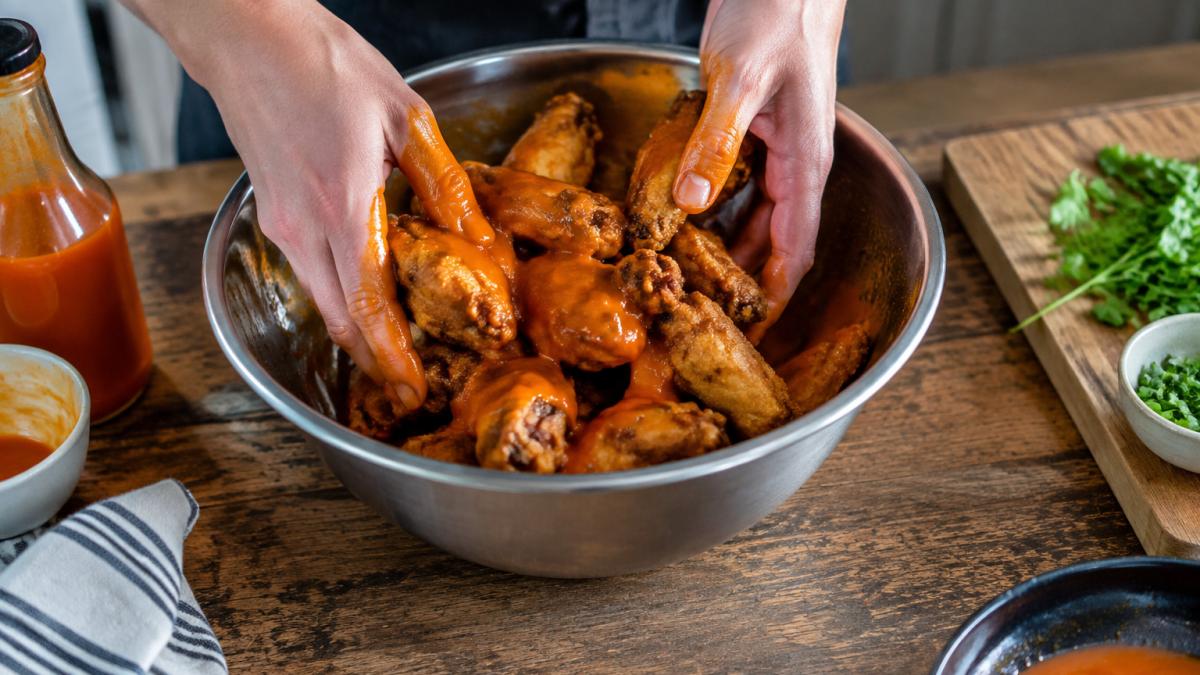
Already-cooked wings that taste flat can still be saved, and this is the fix most guides skip. The goal is to add flavor without making the skin soggy again, so the order matters: re-crisp first, season second, sauce last.
The Quick Rescue Method
- Re-crisp before you season. Spread the cooked wings on a rack over a sheet pan and return them to a 425 degrees Fahrenheit oven or an air fryer at 400 degrees Fahrenheit for 3 to 5 minutes. This drives off surface moisture and restores the texture that makes seasoning stick.
- Season while hot. Sprinkle a pinch of kosher salt and a little garlic powder over the wings as soon as they come out. Hot skin absorbs dry seasoning better than cold skin.
- Add acid and freshness last. Finish with a squeeze of lemon or lime juice or a splash of vinegar right before serving. Acid brightens flat flavors fast and cuts through fat.
- Sauce at the very end. Toss with sauce only after the wings are re-crisped and seasoned, and serve immediately so the skin stays crisp.
A squeeze of acid, like lemon or lime juice, brightens flat flavors fast. Fresh herbs like parsley or chives can add color to the finished dish.
Symptom-to-Fix Guide for Cooked Wings
Match the fix to the problem instead of guessing:
- Tastes flat but not salty: The wings need salt. Sprinkle a pinch of kosher salt while they are hot, then re-crisp briefly.
- Tastes salty but dull: Skip more salt. Add acid (lemon, lime, or vinegar) or a splash of hot sauce to wake up the flavor.
- Seasoning sits on top and falls off: The skin was wet. Re-crisp first, then season while hot.
- Skin is soggy: Re-crisp on a rack at high heat for 3 to 5 minutes before adding anything wet.
- Dull and one-note: Add a bright acid or a fresh herb. A little smoked paprika or garlic powder adds depth without salt.
- Lacks depth: Add smoked paprika, garlic powder, or a splash of hot sauce.
Watch out: Sugar-based glazes can burn at high heat. Add sweet sauces after cooking, or cook them at a lower temperature.
Food-Safety Timing for the Rescue
If you are a home cook who wants to build your own repeatable approach, our USDA guidance on safe cooking temperatures for poultry is a useful reference for knowing when chicken is fully cooked.
Best Sauces for Chicken Wings and How to Toss Them
Sauce is where a wing gets its personality, and the right pick depends on the flavor you want.
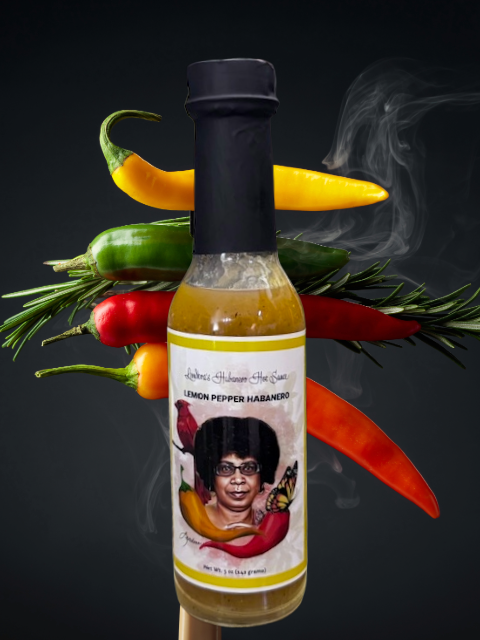
- Lemon Pepper Hot Sauce: Fresh lemon up front, savory cracked pepper behind it, and a measured habanero heat. Lemon Pepper Hot Sauce is $10.00 for a 5 oz bottle.
- Pineapple Habanero Hot Sauce: Sweet, juicy pineapple followed by a warm, lingering habanero kick. Pineapple Habanero Hot Sauce is $10.00 for a 5 oz bottle.
- Habanero Hot Sauce: A smoky, flavorful sauce with a twist of heat, made in Virginia. Habanero Hot Sauce is $10.00 for a 5 oz bottle.
To toss wings in sauce, add them to a large bowl while they are still hot, pour the sauce over, and toss gently until evenly coated. Serve immediately so the skin stays crisp.
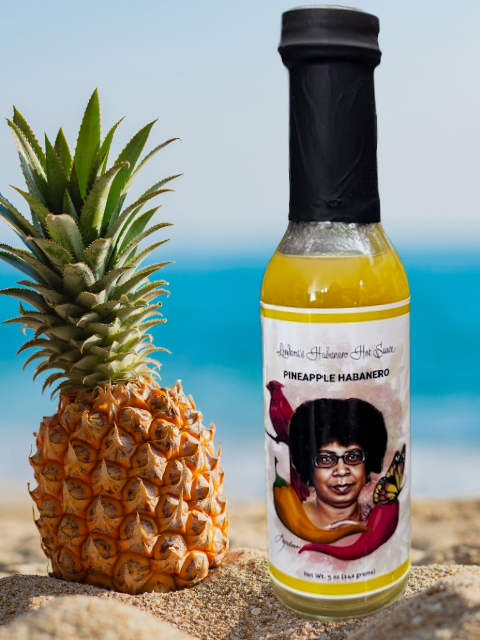
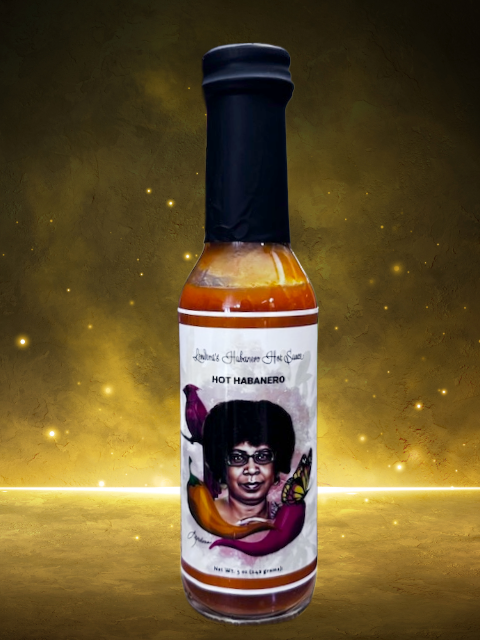
Best for: Cooks who want bold, layered flavor on wings without extreme heat. Skip if: You want a thick, sticky glaze, since these sauces are thinner and tangier.
Flavor Troubleshooting: Matching the Fix to the Problem
Bland wings usually have one of a few causes, and each has a different fix. Matching the fix to the cause saves you from guessing.
- Tastes flat and salty-free: The wings need more salt. Season earlier next time.
- Seasoning sits on top and falls off: The wings were wet. Pat them dry before seasoning.
- Too salty after store-bought seasoning: Skip added salt and finish with acid or sauce instead.
- Dull and one-note: Add a bright acid, like lemon or vinegar, or a fresh herb.
- Lacks depth: Add smoked paprika, garlic powder, or a splash of hot sauce.
Watch out: Sugar-based glazes can burn at high heat. Add sweet sauces after cooking, or cook them at a lower temperature.
If you are a home cook who wants to build your own repeatable approach, our USDA guidance on safe cooking temperatures for poultry is a useful reference for knowing when chicken is fully cooked.
Your Next Batch: Building a Wing Plan That Tastes Right
A reliable wing plan starts before you turn on the oven. Pick your starting point, season early, keep the skin dry, and add sauce last.
Here is a simple checklist for your next batch:
- Check whether the wings are raw, frozen, pre-seasoned, or cooked
- Pat them completely dry
- Season with salt and a dry rub at least 30 minutes ahead
- Cook at high heat on a rack
- Toss with sauce only after cooking
Once you have the basics down, experiment with a new flavor each time. Our National Chicken Council guide to wing preparation offers more background on cuts and cooking methods.
Ready to try something bold? Shop our full range of hot sauces and find the one that fits your next batch.
Frequently Asked Questions
How do you make chicken wings more flavorful?
Season the wings before cooking with a dry rub or salt, since salt penetrates the meat while it cooks. For wings that are already cooked, toss them in a sauce or hot sauce right away while they are hot so the flavor clings. Adjust salt and spices to taste as you season.
What seasonings are commonly used to flavor chicken wings?
Garlic powder, onion powder, paprika, black pepper, cayenne and salt form the base of most wing seasonings. Smoked paprika adds smoky flavor without a grill, while oregano or cumin can give a savory, earthy note. Keep salt as the foundation and add other spices in smaller amounts so the seasoning stays balanced. Use a light hand with cayenne if you want mild heat.
Can you add seasoning to chicken wings after they are cooked?
Yes. Toss hot wings in a sauce, melted butter mixed with hot sauce, or a dry rub while they are still hot so the coating sticks. Season with a pinch of salt and a squeeze of lemon juice to brighten flat flavor.
How do you make chicken wing skin crispier without losing flavor?
Pat the wings dry, season them with salt and a light dry rub, then bake or fry them on a rack so air reaches all sides. Save wet sauces for the final toss so the skin stays crisp.
