

What Makes Artisanal Hot Sauce Different?
Last Updated: November 19, 2026
Quick Summary
Artisanal hot sauce is made in limited runs with attention to ingredient choice and flavor, rather than being built around the lowest cost per bottle. Its pepper flavor typically comes through before the heat, and it often has short ingredient lists and fewer additives than mass-produced sauces. The term is not legally defined in the United States, so it is worth checking the label itself.
- Look for short ingredient lists that name the peppers and the vinegar.
- Small runs let makers taste and adjust each pot, which affects consistency.
- Pepper flavor often arrives before the heat in artisanal sauces.
- Artisanal sauces may vary batch to batch and can sell out.
- Choose makers who are open about testing and how their product is produced.
Table of Contents
- What Artisanal Hot Sauce Actually Means
- Small-Batch Production and Why Batch Size Matters
- Pepper Varieties, Flavor Complexity, and Heat
- Artisanal vs. Mass-Produced Hot Sauce: A Side-by-Side Comparison
- Ingredient Quality, Sourcing Claims, and Fewer Additives
- Fermentation, Aging, Acidity, and Shelf Life
- Trade-Offs and What to Look for When Buying Artisanal Hot Sauce
- Frequently Asked Questions
What Artisanal Hot Sauce Actually Means
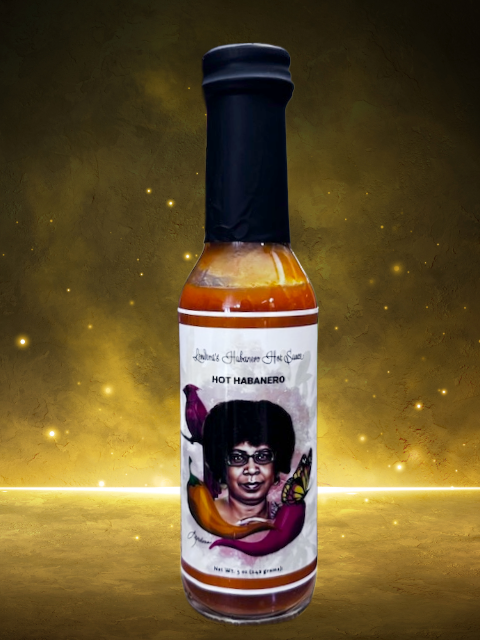
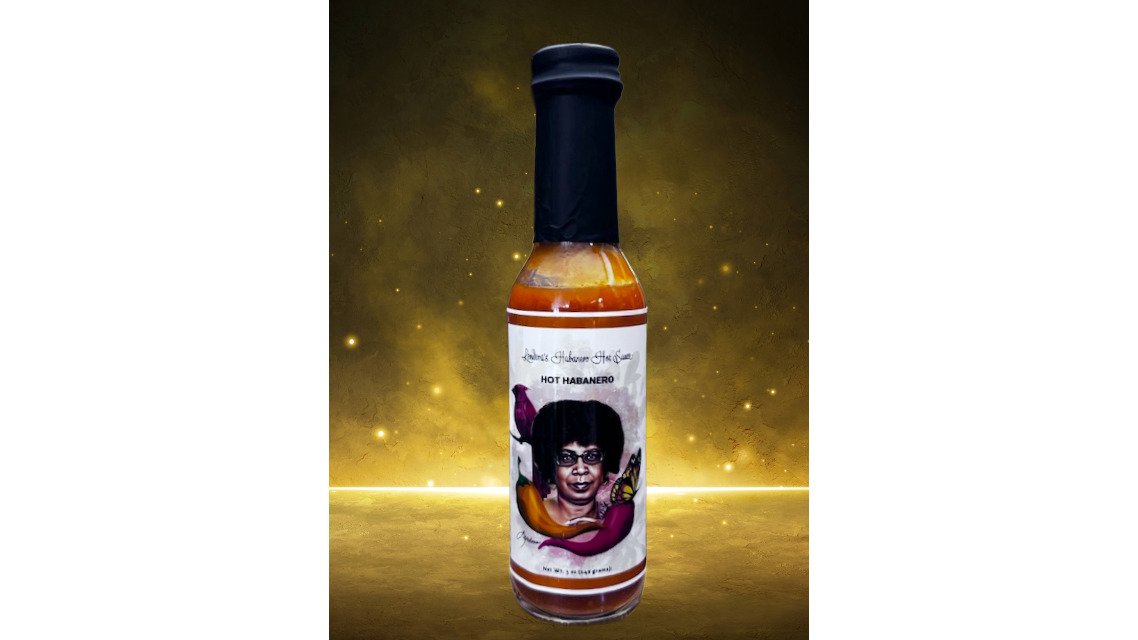
What makes artisanal hot sauce different starts with how it is made, not with how it is labeled. Lendora's Habenero Hot Sauce is a condiment built around peppers, herbs and a balance of heat and flavor.
"Artisanal" is not a term with a legal definition in the United States. Labels are not regulated the way a standard of identity would be, so the word can be applied loosely. In practice, the useful meaning is simple: the sauce is made in limited runs, with attention to ingredient choice and flavor, rather than designed around the lowest cost per bottle.
When you judge a bottle, look for these signals:
- Short ingredient lists that name the peppers and the vinegar
- A clear sense of where and how the sauce is made
- Flavor that tastes like peppers first, with heat that supports the flavor
Our habanero base is a good example. The pepper flavor comes through before the heat arrives, which is the reverse of many mass-market sauces that rely mainly on vinegar and sharpness.
Small-Batch Production and Why Batch Size Matters
Batch size changes what ends up in the bottle. A small run lets a maker taste and adjust each pot, check the peppers as they come in, and avoid the consistency drift that comes from very large production lines. For a home cook, the practical result is a sauce that tastes more like the ingredients it was built from.
Watch out: a small batch is not automatically a better batch. Some small producers skip the testing and acidity checks that keep a sauce safe to store. Choose makers who are open about how their product is produced.
Pepper Varieties, Flavor Complexity, and Heat
Pepper choice drives most of the difference in flavor. Habanero peppers are known for their fruity character and heat. Our Habanero Hot Sauce pairs them with Red Peppers, Cubanelle Peppers and Apple Cider Vinegar, so the sweetness of the other peppers softens the edge without hiding the habanero.
Our flavor range shows how the same base can change:
- Pineapple Habanero: bright, juicy pineapple up front, then the habanero warmth
- Lemon Pepper: fresh lemon and cracked pepper, with a measured heat that finishes smooth
- Hot Pickle: habanero with bread and butter pickle flavor, sweet and savory with a light tingle
Heat is only one part of flavor. Many shoppers assume a hotter sauce is a better sauce, but heat that overwhelms the peppers' taste leaves little to enjoy. A sauce with balanced heat lets you taste the peppers and other ingredients. You can see the full catalog on our Habanero Hot Sauce product page, and our guide on habanero vs jalapeño sauce explains how the two pepper families differ in flavor.
Artisanal vs. Mass-Produced Hot Sauce: A Side-by-Side Comparison
Mass-produced sauces are engineered for consistency across enormous runs and long shelf life. Artisanal sauces are built for flavor and small-run character. Neither is wrong, but the differences show up in ways you can taste and measure.
| Factor | Artisanal Hot Sauce | Mass-Produced Hot Sauce |
|---|---|---|
| Batch size | Small runs, often tasted and adjusted per pot | Very large runs, blended for uniformity |
| Pepper focus | Named varieties, often fresh | Often a single pepper type or pepper extract |
| Flavor | Layered, pepper-forward, varies batch to batch | Uniform, often vinegar- and salt-forward |
| Additives | Usually fewer; preservatives often absent | Often includes stabilizers, gums, or preservatives |
| Heat | Balanced, built around flavor | Often pushed with extract for raw intensity |
| Price per bottle | Higher | Lower |
| Shelf stability | Check storage notes; may need refrigeration | Engineered for long pantry life |
| Availability | Limited, often direct-to-consumer | Broad retail distribution |
Our bottles sell for $10.00 each in the 5 oz size.
The less obvious trade-offs are worth naming. Artisanal sauces can vary from batch to batch, which is a feature if you value character and a frustration if you want the exact same bottle every time. Availability is limited, so a favorite may sell out. Shelf life can be shorter, especially for sauces with fresh fruit or low acid. And the higher price per ounce means experimentation costs more.
To judge the difference yourself, taste rather than rely on Scoville ratings alone. Start with aroma, then check sourness, sweetness and texture, and notice whether the heat arrives quickly or builds and lingers.
Ingredient Quality, Sourcing Claims, and Fewer Additives
Ingredient quality shows on the label. Read the list from top to bottom: ingredients are listed by weight, so the first few items tell you what the sauce is mostly made of.
Our Habanero Hot Sauce is vegan, dairy-free and nut-free, and it is made with red peppers, habanero peppers, cubanelle peppers, distilled and apple cider vinegar, water and spices. It is gluten-free*, and shoppers with celiac disease should check with their doctor before using it.
The Pineapple Habanero, Lemon Pepper and Hot Pickle varieties are all natural, with no preservatives, and are gluten-free, dairy-free and vegan. When you evaluate any sauce, check the label rather than relying on marketing language, and use the ingredient list as your main evidence.
Fermentation, Aging, Acidity, and Shelf Life
Fermentation and vinegar preservation are the two main ways a hot sauce stays safe and develops flavor, and they produce very different bottles.
In a fermented sauce, crushed peppers and salt are held in a vessel while naturally occurring lactic acid bacteria convert sugars into lactic acid. That process lowers the pH over days or weeks and builds a tangy, savory depth that vinegar alone cannot replicate. The salt concentration and the exclusion of oxygen matter: too little salt or too much air and the wrong organisms can take over. Most practitioners aim for a salt brine in the roughly 2 to 5 percent range by weight and keep the solids submerged, though exact ratios vary by maker and recipe.
In a vinegar-preserved sauce, acid is added directly rather than produced. The vinegar drops the pH quickly, which is why many cooked sauces can be bottled the same day. The trade-off is flavor: vinegar gives a sharp, clean sourness rather than the rounded funk of fermentation.
Acidity is the safety backbone in both cases. A common target for shelf-stable hot sauce is a pH at or below 4.6, the threshold below which Clostridium botulinum and many spoilage organisms cannot grow. Makers check this with a pH meter or test strips, and a sauce that has not been measured should be treated as perishable. The FDA's guidance on acidified foods treats sauces in this category as requiring a scheduled process, which is one reason a responsible small producer will talk about testing rather than just "small batches."
Aging adds a separate variable. Some sauces rest in barrels or tanks after fermentation to mellow sharp edges and marry flavors; others are bottled young to keep the pepper character bright. Aging is a flavor choice, not a safety guarantee.
For storage, follow the instructions on the label and the date printed on the bottle.
Trade-Offs and What to Look for When Buying Artisanal Hot Sauce
Artisanal hot sauce is not the right choice for everyone, since flavor preferences and budgets differ.
When you buy, consider these points:
- Ingredients: a short list that names the peppers and the vinegar
- Flavor goal: pick a variety that fits your cooking, such as Lemon Pepper for seafood or Hot Pickle for sandwiches and wings
- Heat tolerance: our sauces are built for balanced heat, so they suit shoppers who want flavor first
- Shipping: check delivery times and costs before ordering, since a bottle is a small purchase and shipping can outweigh the price
Our sauces are built around flavor, with balanced heat rather than extreme spice. If you want that, a sauce built around hotter peppers or extracts may suit you better. For most home cooks, the best way to decide is to try a single bottle on a meal you already make. You can shop the full Habanero Hot Sauce line or read our guide to buying small-batch hot sauce online before you order.
Lendora's Habenero Hot Sauce makes small-batch habanero sauces with real peppers, fresh herbs and balanced heat, so every meal tastes more like itself. Start with one bottle of Habanero, Pineapple, Lemon Pepper or Hot Pickle and see which flavor becomes your go-to. Grab a bottle today!
Frequently Asked Questions
What does artisanal sauce mean?
Artisanal sauce generally refers to condiments made in small batches by producers who control the recipe, ingredients, and cooking process closely. There is no single legal definition in the United States for the word artisanal on hot sauce labels, so the term is mostly a marketing claim. The practical way to judge it is to look at batch size, the ingredient list, and whether the producer explains how the sauce is made. Small producers often list the actual peppers and vinegars used and avoid long lists of stabilizers and artificial flavorings.
What ingredients are commonly used in artisanal hot sauce?
Artisanal hot sauces usually start with fresh or lightly processed peppers, along with vinegar, salt, and sometimes fruit, vegetables, or herbs. A short ingredient list is a good sign, since it suggests fewer preservatives and thickeners. For example, Lendora's Habenero Hot Sauce is made with red peppers, distilled vinegar, apple cider vinegar, habanero peppers, cubanelle peppers, water, and spices. Flavor-forward varieties like Pineapple Habanero and Hot Pickle add fruit and pickle flavors to that base, so you can judge each bottle by how clearly its ingredients are listed.
Is artisanal hot sauce always hotter than mass-produced sauce?
No. Artisanal hot sauce is not automatically hotter than mass-produced options. Heat depends on the pepper varieties, how much pepper is used, and how the sauce is balanced with vinegar, fruit, or vegetables. Many small-batch producers focus on flavor complexity rather than maximum heat. If you prefer moderate warmth, look for sauces that describe their heat level and flavor profile, such as a habanero sauce with herbs or fruit that adds balance rather than a sauce built only around extreme pepper intensity.
How can you tell if a hot sauce is high quality?
Start with the label. Check whether the ingredients are named specifically, whether the sauce lists its peppers and vinegars, and whether the producer explains its process. Be cautious with vague claims like natural or premium that come without details. Shelf life and acidity also matter: a well-made vinegar-based sauce is typically acidic enough to be shelf-stable, but storage instructions should still be followed. Tasting for balance, texture, and a clear pepper character is the most direct test.
