

7 Hot Pickle Sauce Recipe Ideas to Try at Home
Quick Summary
Hot pickle sauce is a tangy, lightly sweet sauce made by blending pickles, pickle brine and hot peppers, then simmering with vinegar and sugar. A basic batch uses about 1 cup of chopped dill pickles, 1/2 cup brine, 3 to 4 hot peppers, garlic and onion. It keeps 2 to 3 weeks refrigerated.
- Pickle brine supplies salt and tang, so the sauce needs less extra seasoning.
- Use 1 jalapeño with seeds and pith removed for a mild sauce.
- Habaneros typically measure 100,000 to 350,000 Scoville units, so one pepper can carry a whole batch.
- Refrigerate in a clean sealed jar and use within 2 to 3 weeks.
- Low-acid pepper sauces need a tested recipe for canning; do not use boiling-water canning alone.
Table of Contents
- Why Hot Pickle Sauce Works So Well at Home
- Ingredients and Substitutions for a Basic Dill Pickle Hot Sauce Recipe
- Step-by-Step: Blending, Cooking and Balancing Your Sauce
- Seven Hot Pickle Sauce Recipe Variations to Try
- What to Eat with Dill Pickle Hot Sauce
- Canning and Storing Hot Pickle Sauce Safely
- Recipes to Use Up Hot Sauce and Fixing Common Problems
- Making Your Next Batch of Hot Pickle Sauce
- Frequently Asked Questions
Hot pickle sauce is one of the easiest ways to bring bold flavor to everyday cooking. Tangy, a little sweet, and with a steady warmth rather than a scorching burn, it works on far more than most people expect.
Hot pickle sauce is a sauce built on pickle brine and pepper heat, and it's a natural fit for home kitchens. You don't need special equipment or hard-to-find ingredients to start.
Why Hot Pickle Sauce Works So Well at Home
Pickles already bring acidity, salt and a bit of sweetness, which are the exact things a good sauce needs. Adding hot peppers turns that brine into something you can pour over almost anything.
Here's why it works so well at home:
- Built-in flavor: Pickle brine supplies salt and tang, so you need less seasoning.
- Quick prep: Most versions come together in one pot and one blender.
- Easy heat control: You can dial the heat up or down by changing the pepper or the seeds.
- Pantry-friendly: Most ingredients are common in a home kitchen.
Ingredients and Substitutions for a Basic Dill Pickle Hot Sauce Recipe
A basic dill pickle hot sauce uses a short list of ingredients. Here is a simple starting point:
- 1 cup dill pickles, chopped, plus 1/2 cup of their brine
- 3 to 4 hot peppers (habanero, jalapeño or serrano)
- 2 cloves garlic
- 1/4 small onion
- 1/2 cup distilled white vinegar
- 1 tablespoon sugar
- 1 teaspoon mustard seed (optional)
- Salt to taste
Simple swaps that work well:
- Peppers: Jalapeño for milder heat, serrano for a sharper bite, habanero for a fruity, lingering warmth.
- Pickles: Bread and butter pickles add sweetness. Kosher dills give a sharper, saltier result.
- Vinegar: Apple cider vinegar adds a mellow, fruity note. Use distilled vinegar for a cleaner flavor.
- Sugar: Honey works in place of sugar, though it adds its own flavor.
Watch out: Habanero and other hot peppers can irritate skin and eyes. Wear gloves when cutting them and wash your hands well afterward.
Step-by-Step: Blending, Cooking and Balancing Your Sauce
Follow these steps for a smooth, well-balanced sauce, with concrete quantities so you can hit a target heat level on the first try:
- Prep the peppers. Remove stems. For a mild sauce, halve the peppers lengthwise and scrape out the seeds and white pith with a spoon; for medium, remove seeds but keep the pith; for hot, leave everything intact. Wear gloves, and wash your hands and the cutting board with soap and warm water afterward.
- Chop the aromatics. Dice 1/4 small onion (about 2 tablespoons) and mince 2 cloves garlic.
- Combine. Add the peppers, onion, garlic, 1 cup chopped pickles, and 1/2 cup brine to a blender.
- Blend until smooth. Blend in short bursts, scraping down the sides, for 30 to 60 seconds total. A high-speed blender will get silkier results; a standard blender may need an extra 20 seconds.
- Cook. Pour the blended mixture into a saucepan with 1/2 cup distilled white vinegar, 1 tablespoon sugar, and 1 teaspoon mustard seed. Simmer over medium-low for 10 to 15 minutes, stirring every couple of minutes, until the sauce coats the back of a spoon.
- Taste and adjust. Add salt, sugar, or vinegar a little at a time. Too sharp? Add 1 teaspoon sugar. Too flat? Add 1 tablespoon brine. Too hot? See the heat-calibration guide below.
- Cool and bottle. Let the sauce cool to room temperature, about 30 minutes, before transferring it to a clean jar.
Calibrating Heat by Pepper and Seed Removal
Heat level depends mostly on which pepper you choose and how much of the seed-and-pith core you keep. As a practical guide for a 1-cup-pickle batch:
- Mild: 1 jalapeño, seeds and pith removed, plus 2 tablespoons extra brine. Jalapeños are generally considered mild-to-medium on the Scoville scale.
- Medium: 2 jalapeños or 1 serrano, seeds removed but pith kept. Serranos run roughly 10,000-23,000 Scoville units.
- Hot: 3 serranos with seeds, or 1 habanero with seeds. Habaneros typically measure 100,000-350,000 Scoville units, so a single pepper can carry a whole batch (New Pest-Resistant Habanero Joins Peck of ARS-Created Peppers : USDA ARS).
- Very hot: 2 habaneros with seeds, or add a pinch of cayenne (about 1/8 teaspoon) at the blending stage.
Removing seeds and pith reduces the heat of a sauce, though the exact drop varies by pepper. If you are unsure, start with less pepper and add heat in 1/4-pepper increments after the first blend.
Balancing Fixes With Measured Amounts
- Too spicy: Stir in 2 tablespoons chopped pickles and 1 teaspoon sugar; blend again.
- Too tangy: Add 1 teaspoon sugar at a time, up to 1 tablespoon, or stir in 1 tablespoon water.
- Too salty: Add 1 teaspoon sugar and 2 tablespoons water; avoid adding more brine.
- Too thin: Simmer 5 more minutes uncovered, or whisk in 1/4 teaspoon xanthan gum (or 1/2 teaspoon cornstarch slurry) off the heat.
- Too thick: Thin with 1 tablespoon pickle brine or water at a time.
Watch out: Adding sugar to a very acidic sauce can make it taste sweeter than expected once it cools, so taste after the sauce reaches room temperature before making a final adjustment.
The heat level of your sauce depends mostly on the pepper you choose and how much seed and pith you keep, so use this guide for a batch made with 1 cup of pickles.
| Heat level | Pepper and preparation | Scoville note |
|---|---|---|
| Mild | 1 jalapeño, seeds and pith removed, plus 2 tablespoons extra brine | Jalapeños are mild-to-medium |
| Medium | 2 jalapeños, or 1 serrano with seeds removed but pith kept | Serranos run roughly 10,000-23,000 SHU |
| Hot | 3 serranos with seeds, or 1 habanero with seeds | Habaneros typically 100,000-350,000 SHU |
| Very hot | 2 habaneros with seeds, or add 1/8 teaspoon cayenne at blending | One habanero can carry a whole batch |
Seven Hot Pickle Sauce Recipe Variations to Try
Once you have the basic recipe down, these variations give you a range of flavors to explore:
- Classic dill hot sauce: The base recipe above, with jalapeño for everyday heat.
- Bread and butter heat: Swap in bread and butter pickles for extra sweetness, with habanero for warmth.
- Garlic dill: Double the garlic and add fresh dill for a savory, herby sauce.
- Pineapple pickle: Add a few tablespoons of pineapple to the blend. The fruit softens the tang and makes the sauce a good match for pork and chicken. Read whether fruit-based hot sauce is good before you start.
- Smoky pickle: Add a pinch of smoked paprika or a chipotle pepper for a deeper, smoky finish.
- Mild family version: Use a mild pepper, remove all seeds and add extra pickle brine for a kid-friendly sauce.
- Lemon pepper twist: Add lemon zest and cracked black pepper for a bright, zesty sauce that works well on seafood.
Each variation keeps the same basic method. Only the peppers, pickles and finishing add-ins change.
What to Eat with Dill Pickle Hot Sauce
This sauce is more versatile than most people expect. Try it with:
- Fried chicken and wings
- Tacos and burritos
- Fried fish or shrimp
- Burgers and sandwiches
- Potato chips or fries
- Eggs and breakfast potatoes
- Grilled vegetables
A spoonful also works well as a glaze or dipping sauce, especially for crispy foods. Find more ways to use it in everyday cooking with pineapple hot sauce.

Canning and Storing Hot Pickle Sauce Safely
Refrigeration is the simplest and safest option for a homemade hot pickle sauce. Store it in a clean, sealed glass jar in the refrigerator and use it within 2 to 3 weeks for the best flavor. Because the sauce contains fresh peppers, garlic, and onion, it is a low-acid mixture even with the vinegar and brine, so it is not a candidate for simple boiling-water canning without an approved, tested recipe.
Why Canning Needs Extra Care
Most pepper sauces are low-acid foods (pH above 4.6), which means boiling-water canning alone will not kill Clostridium botulinum spores. The USDA National Center for Home Food Preservation at USDA National Center for Home Food Preservation guidance publishes tested processing times and acidification steps for pepper sauces; follow those exactly rather than adapting a family recipe. If you want shelf-stable sauce without canning, freezing in small containers for up to 3 months is a reliable alternative.
Refrigerated Shelf Life and Spoilage Signs
A common pattern is that homemade sauce keeps 2 to 3 weeks in the fridge, though the exact window depends on acidity and salt level. Discard the sauce if you notice any of the following:
- Mold on the surface or under the lid
- A cloudy appearance that develops after previously being clear
- An off smell, fizzing, or a bulging lid
- A change in color beyond normal darkening
When in doubt, throw it out. Label the jar with the date you made it so you can track the window.
Food Safety Tips
- Use clean jars and lids, and let the sauce cool before sealing.
- Keep the sauce refrigerated at 40°F or below after opening.
- Use a clean spoon each time to avoid introducing bacteria.
- Do not leave the sauce at room temperature for more than 2 hours.
Watch out: A sauce that tastes slightly more sour after a week is normal as flavors meld, but a sudden sharp or fizzy taste is a sign of fermentation you did not intend and means the batch should be discarded. Maintaining this delicate balance of acidity is just as critical when developing unique signature marinades that rely on complex flavor profiles rather than simple preservation.
Recipes to Use Up Hot Sauce and Fixing Common Problems
Extra sauce can go into more than one dish. Stir a spoonful into mayonnaise for a quick spread, or mix it into a salad dressing. It also works in marinades for chicken.
Common problems and fixes:
- Sauce separates: Blend again for a few seconds. Thin sauces naturally separate, so give the jar a shake.
- Sauce tastes flat: Add salt or a splash of brine.
- Heat is too strong: Stir in more pickles or a little sugar.
- Sauce is too runny: Simmer it longer to reduce.
Making Your Next Batch of Hot Pickle Sauce
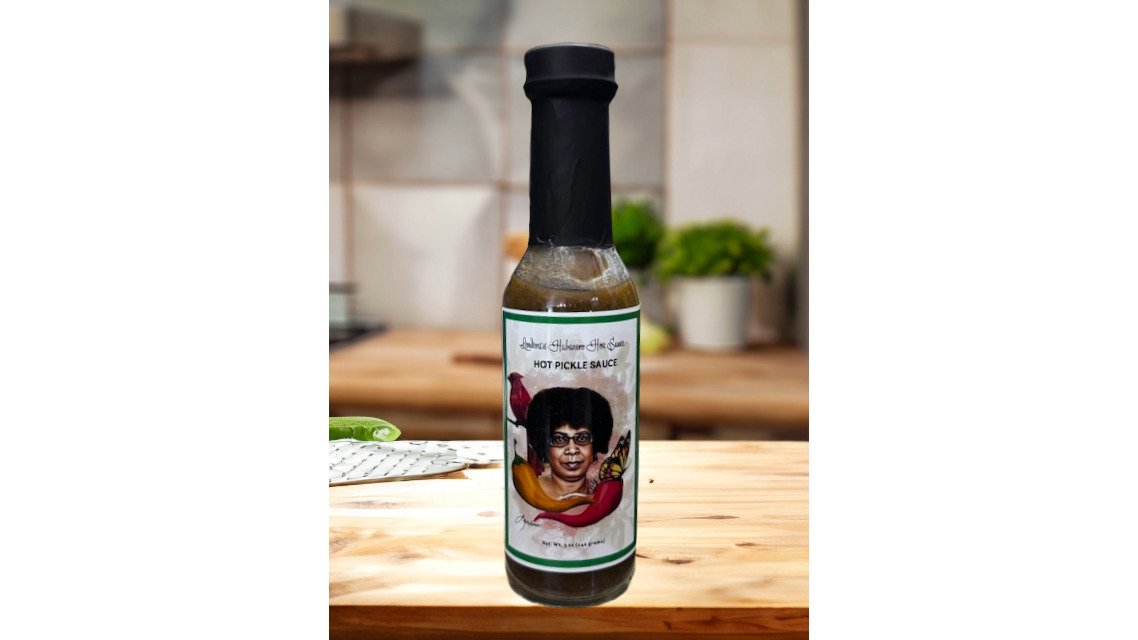
Start with the basic recipe, then try one or two of the variations. Keep notes on what you like, and adjust the heat and tang until the sauce suits your taste. If you'd rather skip the cooking, you can find our ready-made hot pickle sauce made with habanero peppers and bread and butter pickles.
Frequently Asked Questions
What would dill pickle hot sauce be good on?
Dill pickle hot sauce works well on anything you would normally eat with pickles. Chicken wings and fried chicken are the classic pairings, since the tangy brine cuts through the richness of fried skin. It also works on tacos, fried fish, sandwiches, burgers and potato chips. Try a spoonful stirred into mayonnaise for a quick dip, or drizzled over grilled vegetables.
Can hot pickle sauce be canned safely?
Hot pickle sauce can be canned, but only if you follow a tested, acidified recipe with a verified vinegar ratio and processing time. Sauces made with low-acid ingredients like fresh peppers need enough vinegar to reach a safe pH. If you are unsure, refrigerate the sauce and use it within a few weeks.
How long will pickle juice stay good in the refrigerator?
Pickle brine kept in a sealed jar in the refrigerator generally stays good for several months, as long as it is kept cold and no utensils touch the liquid. Look for cloudiness, bubbling, off smells or mold, and discard the sauce if you see any of these signs.
What are some recipes I can use up hot sauce in?
Leftover hot sauce can go into marinades, salad dressings, soups, stews and mac and cheese. Whisk it into melted butter for a quick wing sauce, or mix it with honey for a glaze on pork or salmon. It also adds heat to scrambled eggs, cornbread batter and barbecue sauce. Adding a small amount at a time lets you control the heat and keeps the sauce from overpowering the dish.
