

How to Use Pineapple Hot Sauce in Your Everyday Cooking?
Last Updated: October 25, 2026
Quick Summary
Pineapple hot sauce blends sweet tropical fruit with spicy heat and works on everything from grilled fish to pizza. Use it as a marinade for meat and vegetables, a glaze brushed on during the last minutes of cooking, a dipping sauce mixed with mayo or sour cream, or drizzled directly on finished dishes like tacos and wings.
- For fish tacos, mix pineapple hot sauce into sour cream and lime juice at a 1:2 ratio to create a crema spread
- For dipping sauces, use 1 part pineapple hot sauce to 3 parts base for mild, 1:2 for medium, or 1:1 for hot
- After opening, refrigerate pineapple hot sauce at 40°F or below and use within 3-6 months for best flavor
- If a dish tastes too sweet, add salt or lime juice; if too spicy, add honey, sour cream, or mayo to balance
Table of Contents
- Understanding Pineapple Hot Sauce and When to Reach for It
- What You'll Need Before You Start
- Using Pineapple Hot Sauce for Fish Tacos and Seafood
- Creating a Pineapple Hot Sauce Marinade for Meat and Vegetables
- Pineapple Hot Sauce as a Dipping Sauce for Wings, Pizza, and Appetizers
- Balancing Heat and Sweetness in Your Dishes
- Storage, Food Safety, and Getting the Most from Your Bottle
- Start Experimenting with Your First Bottle
- Frequently Asked Questions
Understanding Pineapple Hot Sauce and When to Reach for It
Pineapple hot sauce blends sweet tropical fruit with spicy heat, working on everything from grilled fish to pizza.
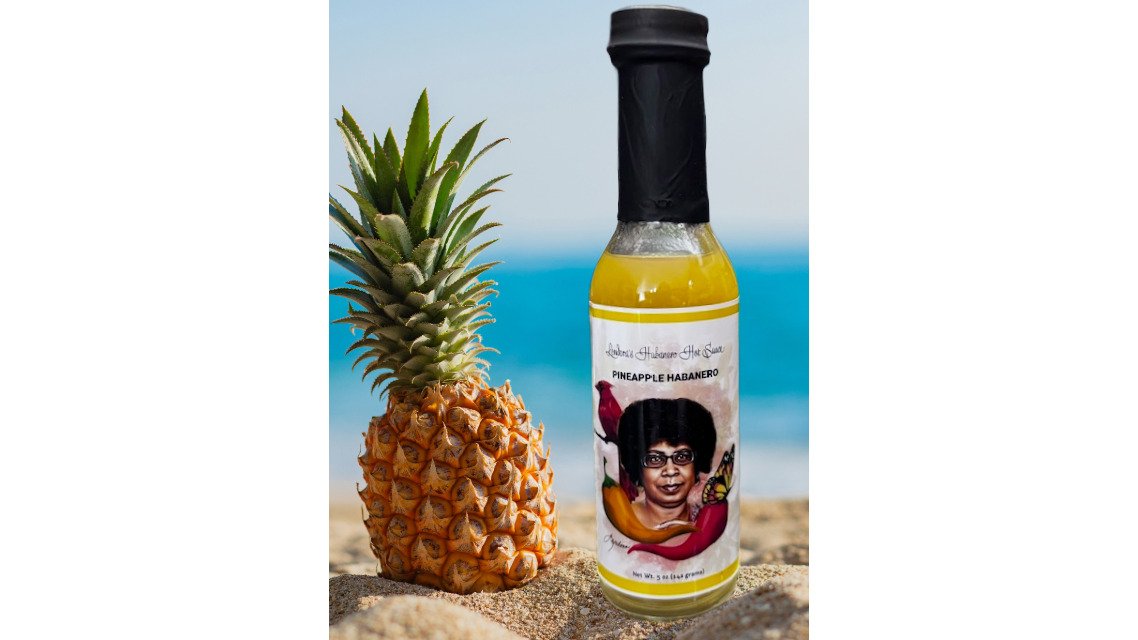
At Lendora's Habenero Hot Sauce, we craft our pineapple hot sauce to enhance rather than overwhelm.
Pineapple hot sauce excels when you want sweetness and heat together, pairing beautifully with seafood, complementing grilled meats, and transforming simple appetizers.
The real advantage shows up when you use hot sauce as a cooking ingredient, not just a finishing drizzle.
What You'll Need Before You Start
Before you open a bottle, gather a few basics to maximize how you use pineapple hot sauce in your cooking.
Essential tools and ingredients:
- A bottle of pineapple hot sauce (like our Pineapple Habanero Hot Sauce)
- Small mixing bowls for combining ingredients
- A spoon or whisk for blending
- Fresh lime or lemon juice
- Honey or brown sugar for adjusting sweetness
- Olive oil for thinning or richness
- Salt and pepper for seasoning adjustments
Optional additions that enhance flavor:

- Fresh cilantro or mint leaves for brightness
- Garlic for depth
- Ginger for warmth
- Soy sauce or fish sauce for umami
- Mayo or sour cream for creamy dipping sauces
You don't need special equipment, a basic kitchen setup is enough, since most recipes require only mixing or simmering. You're combining ingredients strategically, not doing anything complicated.
Start with what you have: skip the cilantro, swap sugar for honey. The foundation is the pineapple hot sauce itself; everything else is adjustment and enhancement.
Using Pineapple Hot Sauce for Fish Tacos and Seafood
For fish tacos, use pineapple hot sauce in two ways. First, drizzle it directly on the finished taco as a condiment. Second, mix it into a crema or mayo to create a spread that binds all the flavors together.
Grilled fish benefits from pineapple hot sauce as a glaze.
For ceviche, a teaspoon of pineapple hot sauce adds warmth without competing with the citrus already doing the cooking.
Shrimp dishes come alive with pineapple hot sauce: sauté shrimp quickly, then toss with pineapple hot sauce, butter, and garlic.
Learn more about seafood pairings in our guide to best hot sauce for fish tacos.
Creating a Pineapple Hot Sauce Marinade for Meat and Vegetables
Marinades let flavors penetrate protein over time.
Basic pineapple hot sauce marinade formula:
- 1/2 cup pineapple hot sauce
- 1/4 cup olive oil
- 2 tablespoons lime juice
- 1 tablespoon honey
- 2 cloves garlic, minced
- Salt and pepper to taste
Mix these ingredients and coat your protein thoroughly. For chicken or pork, marinate for 2-4 hours.
The marinade works equally well on vegetables: bell peppers, zucchini, pineapple chunks, and red onion all benefit.
Vegetables marinate faster than meat, start checking after 30 minutes.
After marinating, reserve some of the raw marinade before adding raw meat. Use this reserved portion as a finishing sauce after cooking.
Pineapple Hot Sauce as a Dipping Sauce for Wings, Pizza, and Appetizers
Below are the ratios and application methods that make pineapple hot sauce work as a dip, a glaze, and a drizzle.
Pineapple Habanero Hot Sauce →
How much to use per serving
A standard serving of dipping sauce is about 2 tablespoons. For a mild dip, use 1 part pineapple hot sauce to 3 parts base (mayo, sour cream, or Greek yogurt). For a medium dip, 1 part sauce to 2 parts base. For a hot dip, 1 part sauce to 1 part base. Start at the mild ratio and adjust upward, you can always add sauce, but you cannot remove it.
Pairing chart: what to dip, glaze, or drizzle
| Food | Best application | Ratio or amount | Why it works |
|---|---|---|---|
| Chicken wings | Toss after frying or baking | 2 tbsp sauce per 1 lb wings, plus 1 tbsp melted butter | Butter carries the capsaicin and helps the sauce cling |
| Pizza (crust dip) | Dip on the side | 3 parts sauce to 1 part olive oil | Oil thins the sauce so it drips without soaking the crust |
| Fried shrimp | Dip or toss | 1 part sauce to 2 parts mayo | Mayo mellows heat and adds body |
| Grilled vegetables | Brush as glaze in last 2 minutes | 1 tbsp per cup of vegetables | Sugars caramelize without burning |
| Cheese and charcuterie | Spread or dip | 1 part sauce to 2 parts cream cheese | Bridges sweet and savory across the board |
| Meatballs | Glaze in last 3 minutes of cooking | 1/4 cup sauce per 1 lb meat | Sticky exterior, no sogginess |
| Egg rolls and spring rolls | Dip | 2 tbsp sauce to 1 tbsp soy sauce | Umami plus tropical sweetness |
| French fries | Drizzle or dip | 1 tbsp sauce per 1 cup ketchup | Cuts ketchup sweetness with heat |
Three base recipes with exact amounts
Wings dipping sauce (makes about 3/4 cup): 1/2 cup pineapple hot sauce, 1/4 cup mayo, 1 tablespoon honey, 1 teaspoon lime juice. Whisk until smooth. Clings to wings without dripping.
Pizza dipping sauce (makes about 1 cup): 3/4 cup pineapple hot sauce, 2 tablespoons honey, 1 tablespoon olive oil, 1/2 teaspoon garlic powder. Stays thin enough to drip.
Creamy appetizer dip (makes about 1 cup): 1/3 cup pineapple hot sauce, 2/3 cup sour cream or Greek yogurt, 1 tablespoon chopped cilantro, pinch of salt. Rest 10 minutes before serving so flavors meld.
When to dip versus glaze versus drizzle
- Dip when the food is already cooked and you want the sauce cold or room temperature, wings, fries, egg rolls, raw vegetables.
- Glaze when the food will spend its last 2-3 minutes under heat, meatballs, chicken skewers, grilled shrimp. Brush on late so the sugars caramelize rather than burn.
- Drizzle when you want the sauce to stay bright and uncooked, tacos, rice bowls, pizza slices at the table.
Balancing Heat and Sweetness in Your Dishes
The tension between sweet and spicy is what makes pineapple hot sauce work. But balance matters. Too much sweetness and you lose the heat. Too much heat and the sweetness disappears.
Most dishes need adjustment. Taste as you go, starting with less sauce than you think you need.
If your dish is too sweet:
- Add salt to cut through sweetness
- Add lime or lemon juice for brightness
- Add a small amount of vinegar for tang
- Use less honey or sugar in your recipe
If your dish is too spicy:
- Add honey or brown sugar for sweetness
- Mix in sour cream or mayo for richness
- Add more of the base ingredient (more fish, more vegetables)
- Serve with something cool and creamy on the side
These flavors interact: sweetness doesn't just mask heat, it changes how heat feels on your palate, and acid changes perception too. Experiment with small adjustments rather than large ones.
Storage, Food Safety, and Getting the Most from Your Bottle
Here's the practical breakdown for storing pineapple hot sauce.
Store-bought pineapple hot sauce
An unopened bottle keeps best in a cool, dark pantry, ideally 50°F-70°F; most commercial sauces hold quality 12-24 months unopened. After opening, refrigerate at 40°F or below, opened sauce holds peak flavor 3-6 months and stays safe longer, though color and heat may fade. Follow the label first.
Homemade pineapple hot sauce
Homemade sauce has no preservatives unless you add them, so treat it as perishable: refrigerate in a clean, airtight glass jar at 40°F or below and use within 2-4 weeks. For longer shelf life, freeze it rather than leaving it at room temperature.
Freezing
Pineapple hot sauce freezes well because its acid and sugar limit ice-crystal damage. Pour into ice-cube trays or small freezer-safe containers, leaving 1/2 inch headspace; freeze up to 6 months. Thaw overnight in the refrigerator and stir before using, since separation is normal. Thawed sauce works best in cooked applications, marinades, glazes, simmered dishes, rather than as a fresh table condiment.
Safe canning
If you want shelf-stable homemade sauce, follow a tested recipe and process in a boiling-water canner according to U.S. Department of Agriculture guidance (How Did We Can? | Noteworthy Changes to USDA Guidelines). Do not invent your own pH balance; pineapple and peppers vary in acidity, and untested recipes risk botulism. When in doubt, freeze instead of can.
Signs of spoilage
Discard the bottle or jar if you see mold, an off-smell, a fizzy texture, or a color change beyond normal darkening. Proper refrigeration and clean utensils prevent spoilage almost entirely.
Getting the most from your bottle
- Keep the cap tight after each use.
- Store away from direct sunlight and heat sources such as the stove.
- Use a clean spoon each time; do not double-dip.
- Label homemade jars with the date you made them.
- If the sauce separates, shake or stir, separation is not spoilage.
Start Experimenting with Your First Bottle
The best way to learn how to use pineapple hot sauce is to start using it. Pick one application from this guide and try it this week, fish tacos are the easiest entry point.
Next week, try a marinade: it takes minutes but creates flavors that feel intentional and complex.
Once you understand how pineapple hot sauce balances sweet and spicy, complements seafood, and transforms simple ingredients, you'll find uses everywhere, wings, pizza, grilled vegetables, cheese boards.
Frequently Asked Questions
What dishes work best with pineapple hot sauce?
Pineapple hot sauce pairs exceptionally well with seafood, especially fish tacos, grilled shrimp, and ceviche. It also complements grilled chicken, pork, and vegetables. The bright, juicy pineapple flavor cuts through rich proteins while the habanero heat adds depth. Try it as a glaze for roasted vegetables, a topping for pizza, or a condiment for wings. Its balanced sweetness and heat make it versatile enough for breakfast dishes, soups, and even cheese boards.
Can you use pineapple hot sauce as a marinade?
Yes. Pineapple hot sauce works as a marinade base when mixed with oil and lime juice. Combine one part sauce with two parts neutral oil and the juice of one lime, then coat your protein or vegetables and refrigerate for 2-8 hours before cooking. The natural acidity and heat penetrate the food, building flavor. Fish, chicken, and pork absorb the pineapple-habanero profile beautifully, resulting in complex, caramelized exteriors when grilled or roasted.
How do you balance pineapple hot sauce if it's too spicy?
If the heat overpowers your dish, add cooling elements: a squeeze of lime juice, a dollop of sour cream or Greek yogurt, or fresh cilantro and mint leaves. You can also mix the sauce with mayonnaise or crema for a milder dipping sauce, or stir it into salsas with diced mango or fresh fruit to dilute the heat while boosting sweetness. Start with less sauce and taste as you go.
Is pineapple hot sauce good for dipping?
Absolutely. Pineapple hot sauce makes an excellent dipping sauce straight from the bottle or thinned slightly with lime juice or crema. Serve it alongside wings, fried seafood, or vegetable crudités. Its sweet-spicy profile complements fried foods by cutting through richness. For appetizers, mix it with cream cheese or Greek yogurt to create a more substantial dip. It pairs well with pizza crusts, spring rolls, and grilled vegetable skewers. The balanced heat means guests who prefer milder flavors won't be overwhelmed.
Pineapple hot sauce works best when you treat it as a tool rather than an afterthought. Grab a bottle of Lendora's Pineapple Habanero Hot Sauce and commit to using it intentionally this month. Mix it into a marinade, brush it on grilled fish, blend it into a dipping sauce. You'll discover why our customers keep reaching for it on everything.
