

Best Hot Sauce for Healthy Cooking: 4 Top Picks
Table of Contents
- What Makes Hot Sauce Healthy for Everyday Cooking
- Quick Comparison: Top Hot Sauces for Healthy Cooking
- How to Choose Hot Sauce Ingredients for Better Nutrition
- Low-Sodium Hot Sauce Options for Heart-Healthy Meals
- Low-Calorie Hot Sauce That Adds Flavor Without the Guilt
- Best Hot Sauce for Vegetables and Light Dishes
- How to Use Hot Sauce in Healthy Cooking
- Frequently Asked Questions
Last Updated: October 21, 2026
What Makes Hot Sauce Healthy for Everyday Cooking
The best hot sauce for healthy cooking balances flavor with nutrition, delivering heat and taste without excess sodium, sugar, or artificial ingredients. At Lendora's Habenero Hot Sauce, we've built our entire line around this principle: bold flavor that enhances meals without compromising your health goals.

Most people think "healthy hot sauce" means bland or boring. That's the mistake. A well-crafted habanero sauce punches up vegetables, proteins, and grains without empty calories or hidden sugars.
When you're choosing a hot sauce for everyday cooking, look for three things: clean ingredients you recognize, reasonable sodium levels, and authentic heat from actual peppers rather than artificial additives. Fresh habanero peppers, vinegar, and spices create the foundation.
The difference between a mediocre sauce and a great one often comes down to what's NOT in the bottle: no preservatives, no added sugar, no fillers. Our habanero varieties deliver genuine flavor complexity because the ingredients are allowed to shine.
Quick Comparison: Top Hot Sauces for Healthy Cooking
| Sauce Variety | Best For | Heat Level | Key Ingredients | Standout Feature |
|---|---|---|---|---|
| Habanero Hot Sauce | General cooking, meats | Medium | Red peppers, habanero, vinegar, spices | Smoky, versatile base |
| Pineapple Habanero | Seafood, tropical dishes | Medium | Pineapple, habanero, vinegar | Sweet-savory balance |
| Lemon Pepper | Light proteins, vegetables | Medium | Lemon, cracked pepper, habanero | Bright, zesty profile |
| Hot Pickle | Sandwiches, grilled foods | Medium | Bread and butter pickles, habanero | Unique sweet-savory-spicy |
Each variety offers balanced heat without extreme intensity, you're more likely to use a sauce regularly when it complements your food instead of overwhelming it.

How to Choose Hot Sauce Ingredients for Better Nutrition
The ingredient list tells you everything. A healthy hot sauce starts with actual peppers, red peppers, habanero peppers, cubanelle peppers, not pepper extract or artificial heat compounds.
What you should NOT see: high-fructose corn syrup, artificial preservatives, xanthan gum, or mystery "spice blends" that hide questionable ingredients.
Natural ingredients matter more than you might think. When peppers and vinegar do the work, the sauce tastes fresher and brighter.
Vegan, dairy-free, and gluten-free options cover most diets and sensitivities. Our habanero line checks all these boxes without sacrificing flavor.
One insider tip: avoid added sugars disguised as "natural sweeteners." Even honey or agave adds calories that accumulate quickly with regular use.
Low-Sodium Hot Sauce Options for Heart-Healthy Meals
Sodium is the single most important number on a hot sauce label for daily users. Condiments are small-volume, high-frequency foods: a sauce you use three times a day compounds faster than a food you eat once a week.
Start with the serving size, not the headline number
Hot sauce servings are tiny, commonly 1 teaspoon (about 5 mL), not the tablespoon most people pour. A label reading "115 mg sodium" looks modest until you notice the serving is 1 teaspoon; three teaspoons on a plate is 345 mg before the rest of the meal.
A practical conversion: 1 tablespoon = 3 teaspoons. Multiply the label's per-teaspoon sodium by 3 to get a realistic per-tablespoon figure, then compare sauces on that basis. This one step eliminates most misleading comparisons.
A working sodium benchmark
For a condiment used several times a day, aim for roughly 100-200 mg sodium per tablespoon. That band lets you use a generous spoonful without spending a large share of a day's sodium budget; sauces above roughly 300 mg per tablespoon force you to ration them.
For context on why the band matters: federal dietary guidance, including the Dietary Guidelines for Americans and the FDA's sodium-reduction targets for food manufacturers, treats excess sodium as a public health priority, and the daily value used on Nutrition Facts labels is 2,300 mg (the FDA).
Why some sauces are saltier than others
Salt is cheap and does three jobs at once: it preserves, suppresses bitterness, and makes heat feel rounder. Lower-sodium sauces typically replace some of salt's functions with:
- Acid, vinegar and citrus carry flavor and help preservation, so less salt is needed for shelf stability.
- Fermentation, fermented pepper mashes develop savory depth (glutamates) that reduces the need for added salt.
- Aromatic and spice layering, garlic, onion, cumin, and smoked peppers build complexity that plain salt water cannot.
This is why a well-made fermented habanero sauce can taste full and savory at a lower sodium level than a thin vinegar-and-salt sauce.
Label-checking checklist for sodium
- Find the serving size in teaspoons or grams.
- Note sodium per serving.
- Multiply by 3 for a per-tablespoon figure.
- Compare that number, not the headline, across sauces.
- Check whether salt appears high in the ingredient list (ingredients are ordered by weight).
What to look for in practice
Prioritize sauces that list peppers and vinegar first, keep salt lower in the ingredient list, and publish sodium per serving clearly. Be cautious with "no salt added" claims, they mean no salt was added during processing, not that the product is sodium-free. And lower sodium is only useful if the sauce still tastes good; a bland low-sodium sauce gets abandoned, and an abandoned bottle saves nothing. Flavorful heat serves as a vital component for home cooking, much like the versatility found in clean stir fry sauces that balance seasoning without relying on hidden additives.
Low-Calorie Hot Sauce That Adds Flavor Without the Guilt
Calories in hot sauce are almost always low, the real question is how low, and what you trade away to get there. Differences between sauce styles are small per spoonful but real over a week of cooking.
Where the calories actually come from
Four ingredients drive the calorie count in a hot sauce:
- Peppers, naturally low in calories; a pepper mash contributes only a few calories per spoonful.
- Vinegar and water, effectively zero.
- Added sugar, the biggest hidden contributor; even a small amount per serving adds up across daily use.
- Oil, used for texture and mouthfeel in some styles; fat is calorie-dense, so even a little shifts the number.
A fruit-based sauce (pineapple, mango) will usually run higher than a straight pepper-and-vinegar sauce because fruit brings natural sugar. That is not automatically bad, it is a trade-off to know about.
A realistic calorie comparison by style
Use these as working ranges, not exact figures, and always confirm on the specific label:
| Sauce style | Typical calories per tablespoon | What drives the number |
|---|---|---|
| Pepper-and-vinegar (e.g., classic cayenne style) | Very low, often under 5 | Peppers and vinegar only |
| Fermented pepper mash | Very low, often under 10 | Peppers, salt, fermentation |
| Fruit-based (pineapple, mango) | Low, often 10-20 | Natural fruit sugar |
| Sweetened or thick sauces | Higher, often 20-40+ | Added sugar, thickeners, sometimes oil |
The pattern: the shorter and more pepper-forward the ingredient list, the lower the calorie count. Sweet and thick sauces climb quickly.
The serving-size trap, again
Calories are reported per serving, and hot sauce servings are commonly 1 teaspoon. A sauce labeled "10 calories" per teaspoon is 30 per tablespoon, still modest, but three times the headline. If you cook with sauce rather than dashing it, do the per-tablespoon math first.
The swap that actually moves the needle
Per spoonful, hot sauce is a minor calorie source. The leverage comes from what it replaces: a tablespoon of butter or mayonnaise is roughly 100 calories, while a tablespoon of pepper-based hot sauce is typically under 10. Swapping a fat-based finishing condiment for hot sauce on vegetables, eggs, fish, and grain bowls saves roughly 90 calories per tablespoon, and because it's flavorful, the swap tends to stick.
That is the honest framing: hot sauce is not a weight-loss tool on its own, but it is an extremely cheap way to keep food interesting while you reduce calorie-dense condiments.
Watch for added sugar disguised as something else
Labels list sugar under many names, cane sugar, honey, agave, fruit juice concentrate, brown rice syrup, and all contribute calories. If a sauce tastes sweet before it tastes spicy, check the ingredient order: sugar near the top means more of it. For everyday cooking, a sauce where peppers and vinegar lead the list is the lower-calorie default.
A quick label method
- Note calories per serving and the serving size.
- Convert to per-tablespoon (multiply by 3 if the serving is 1 teaspoon).
- Scan the ingredient list for added sugars and oils.
- Compare two or three sauces on the same per-tablespoon basis.
Best Hot Sauce for Vegetables and Light Dishes
Vegetables need bold partners. A bland vinaigrette leaves them tasting like themselves, fine, but not exciting. Hot sauce transforms vegetables into something memorable.
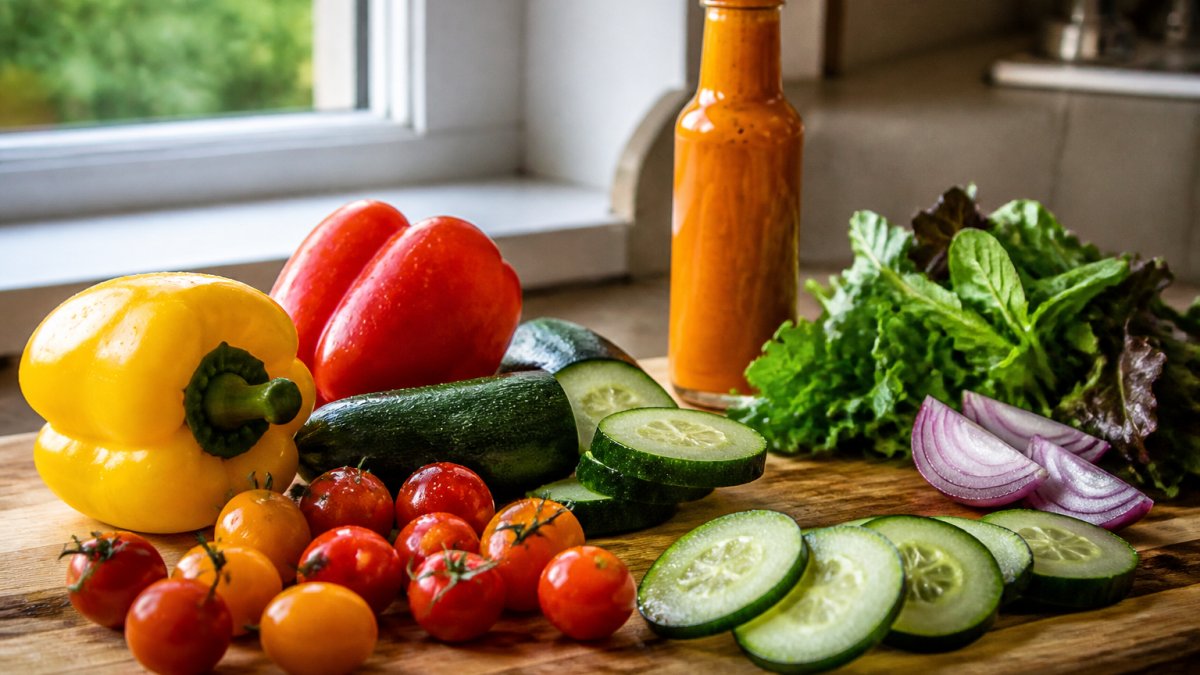
The Lemon Pepper variety excels here. Fresh lemon cuts through the earthiness of roasted vegetables. Cracked pepper adds savory depth. Habanero heat wakes everything up.
For lighter proteins like fish or chicken breast, the Pineapple Habanero works beautifully. Pineapple's natural sweetness complements delicate fish without overpowering it. The habanero heat balances the sweetness, creating a sauce that feels sophisticated rather than one-dimensional.

Steamed broccoli, roasted cauliflower, grilled asparagus, these benefit from a sauce that brings heat and acidity without heaviness.
How to Use Hot Sauce in Healthy Cooking
Hot sauce belongs in more places than most people realize.
As a finishing touch, add hot sauce after cooking.
For marinades, combine hot sauce with lime juice, garlic, and olive oil. The vinegar in the sauce acts as a tenderizer while the peppers infuse flavor.
Soups and stews benefit from a spoonful stirred in near the end.
As a dip base, combine hot sauce with Greek yogurt for a protein-rich condiment. Mix with mashed avocado for a spicy guacamole alternative.
The Hot Pickle variety opens unique possibilities. Use it on grilled cheese sandwiches, burger toppings, or roasted potato dishes.
Everyday cooking means reaching for hot sauce multiple times per week.
Frequently Asked Questions
What ingredients should you look for in a healthy hot sauce?
Look for hot sauces with minimal added sugar, low sodium, and natural ingredients like fresh peppers, vinegar, and spices. Avoid sauces with artificial preservatives or excessive salt. Check the ingredient label to ensure peppers are listed first, indicating they're the primary component. Natural, all-natural hot sauce options without preservatives deliver better nutrition for everyday cooking.
Is hot sauce high in sodium?
Many commercial hot sauces contain 100-300 mg of sodium per tablespoon, which can add up quickly. However, low-sodium hot sauce options exist and typically contain under 100 mg per serving. When selecting a hot sauce for healthy cooking, check the nutrition facts label and compare sodium content across brands. Vinegar-based sauces tend to be lower in sodium than those relying heavily on salt for preservation.
How can you use hot sauce to add flavor without adding many calories?
Hot sauce is naturally low in calories, typically 5-15 calories per teaspoon, making it an ideal condiment for flavor without guilt. Use it as a marinade base, drizzle over roasted vegetables, or mix into soups and salads. A small amount delivers significant flavor impact, so you need less than you would with heavier condiments. This makes hot sauce perfect for healthy cooking when you want bold taste on low-calorie meals.
What is hot sauce good for health-wise?
Hot sauce adds flavor to meals without excess calories or sodium. For healthy cooking, hot sauce helps enhance meal enjoyment and satisfaction, making it easier to stick to nutritious eating habits by making vegetables and lean proteins more appealing.
Healthy cooking doesn't require sacrificing flavor. The right hot sauce becomes your secret weapon, a way to make vegetables exciting, proteins memorable, and everyday meals something worth anticipating. Our Lendora's habanero varieties deliver exactly that: bold, delicious flavor with a smooth blend of peppers and fresh herbs that works across your entire kitchen. Grab a bottle today and discover why our customers keep putting Lendora's on everything.