

How to Pair Lemon Pepper Hot Sauce With Food
Last Updated: October 30, 2026
Quick Summary
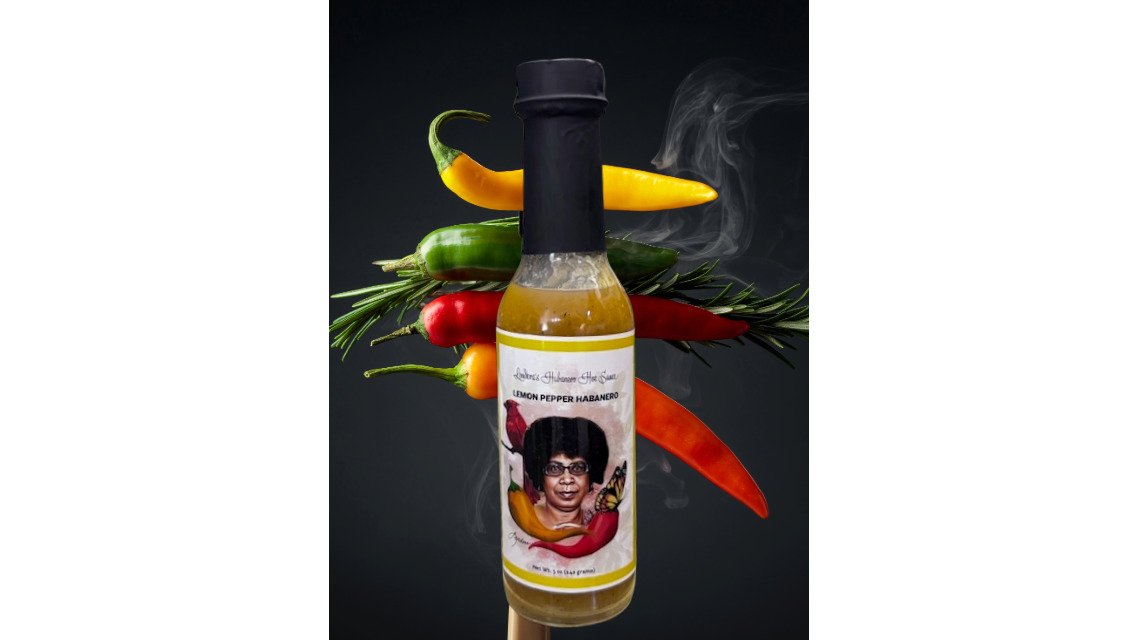
Lemon pepper hot sauce pairs well with chicken wings, fish tacos, seafood and vegetables because its citrus cuts through rich foods while cracked black pepper adds savory depth and habanero brings measured warmth. Toss it onto wings, drizzle it over fish and grain bowls, and use it as a dip for sandwiches.
- Lemon balances fried, buttery or heavy dishes by cutting through richness.
- Toss wings in the sauce right after frying or baking, while the skin is still crisp.
- Drizzle about 1 teaspoon per serving on fish, bowls and tacos, adding more to taste.
- Roast vegetables first, then toss with about 1 teaspoon of sauce per cup.
- The Lemon Pepper Hot Sauce is vegan, dairy-free and gluten-free, sold in a 5 oz bottle for $10.00.
Table of Contents
- What to Eat With Lemon Pepper Wings
- Lemon Pepper Hot Sauce for Fish Tacos
- Hot Sauce Pairings for Seafood Beyond Tacos
- Lemon Pepper Sauce for Vegetables and Plant-Based Dishes
- Pairing Sauces by Heat and Sweetness: Pineapple, Hot Pickle and Habanero
- Dips, Sides, Drinks and Serving Amounts
- Booking a Sample Pack for Your Next Dinner
- Frequently Asked Questions
Lemon pepper hot sauce works because it does two jobs at once. Lemon brings bright, sharp acidity, and cracked black pepper brings savory depth, while habanero adds a measured warmth that sits in the background rather than overpowering the dish. That balance is why this sauce pairs with more food than most single-note hot sauces. The Lemon Pepper Hot Sauce is built around that combination, which makes it a good choice for everyday cooking.
The sauce starts clean and zesty, then settles into pepper and a smooth finish. Acid cuts through fat, so the sauce lifts rich foods like fried chicken, buttery seafood and creamy sides. The habanero heat stays intentional and measured rather than overpowering.
Here is what to keep in mind when you pair it:
- Acid cuts richness. Lemon balances fried, buttery or heavy dishes.
- Pepper adds savory depth. It supports meats, roasted vegetables and grains.
- Heat stays controlled. The habanero is noticeable but smooth, so it suits people who want flavor first.
The Lemon Pepper Hot Sauce is all natural, with no preservatives, and it is gluten-free, dairy-free and vegan. It comes in a 5 oz bottle for $10.00. Lemon Pepper Hot Sauce lays out the full flavor profile if you want to see how it fits your cooking.

What to Eat With Lemon Pepper Wings
Chicken wings are the classic partner for lemon pepper flavors, and there is a reason the combination keeps showing up on menus. Toss hot wings in a small amount of sauce right after frying or baking, while the skin is still crisp. The citrus and pepper cling to the surface, and the heat builds gradually as you eat.
Good sides for wings include cool, creamy foods along with crunchy vegetables. Celery sticks and cucumber rounds work well, as does a simple ranch or blue cheese dip.
Watch out: heavily sugared sauces can scorch on the pan or grill, so toss wings in the sauce after cooking rather than before.
Lemon Pepper Hot Sauce for Fish Tacos
Fish tacos are one of the most natural homes for lemon pepper hot sauce. White fish such as cod or tilapia has a mild, clean flavor that gives the sauce room to work. A drizzle of lemon pepper sauce over the fish, followed by shredded cabbage, lime and a creamy element like avocado or crema, gives you texture and balance in every bite.
The Lemon Pepper Hot Sauce pairs well with fish tacos because its citrus complements the lime and fish. Keep the portion modest at first and add more to taste.
Hot Sauce Pairings for Seafood Beyond Tacos
Seafood pairs well with lemon pepper hot sauce well beyond tacos. Grilled shrimp, pan-seared salmon and fried calamari all benefit from the sharp acidity and gentle warmth. Brush the sauce onto shrimp during the last minute of cooking, or spoon it over salmon just before serving so the citrus stays bright. Integrating these vibrant notes into more complex dishes requires a nuanced approach to balancing food flavors that ensures the zest remains a highlight rather than an afterthought.
The Pineapple Habanero Hot Sauce offers a sweet, tangy profile with a warm, lingering kick.
Lemon Pepper Sauce for Vegetables and Plant-Based Dishes
Vegetables are the most underrated use for lemon pepper hot sauce, and most pairing guides skip them entirely. The lemon's brightness and the cracked pepper's savory note pair well with vegetables, and the habanero heat stays measured.
A practical rule for plant-based cooking is to match the sauce application to the vegetable's texture:
- Roasted cauliflower and charred broccoli: toss in a small amount of oil, roast at 425°F until the edges brown, then drizzle about 1 teaspoon of sauce per cup of vegetables right before serving. Tossing after roasting keeps the citrus bright and prevents scorching.
- Sweet potato wedges and carrots: brush the sauce on during the last 2-3 minutes of roasting so it glazes without burning. The sugar in the sauce is low enough that it will not carbonize the way a honey-based wing sauce can.
- Tofu and tempeh: press the block, cube it, and use the sauce as a marinade at roughly 1 tablespoon per 8 ounces of protein for 20-30 minutes. The acid helps the pepper penetrate, and the heat carries into the interior rather than sitting on the surface.
- Grain bowls, lentils and chickpeas: use the sauce as a finishing condiment, about 1 teaspoon per bowl, rather than a cooking liquid. Drizzle it over the top so the citrus hits the palate first.
- Plant-based sandwiches and wraps: spread a thin layer on the bread or use it as a dip on the side. It stands in for mayonnaise-based spreads without the dairy.
The Lemon Pepper Hot Sauce is vegan, dairy-free and gluten-free. Start with a few drops and build from there. If you are serving a mixed table, keep a small bowl of the sauce on the side so vegetarians and meat-eaters can season their own portions.
Pairing Sauces by Heat and Sweetness: Pineapple, Hot Pickle and Habanero
Choosing a sauce often comes down to heat and sweetness. Here is how our four bottles compare for pairing purposes.
| Sauce | Flavor Profile | Best Pairing Starting Point | Price |
|---|---|---|---|
| Lemon Pepper Hot Sauce | Citrus-forward, savory, measured heat | Wings, fish, vegetables | $10.00 |
| Pineapple Habanero Hot Sauce | Sweet, tangy, warm lingering kick | Pork, grilled chicken, salmon | $10.00 |
| Hot Pickle Hot Sauce | Sweet and savory, tingling finish | Burgers, sandwiches, anything you'd serve with pickles | $10.00 |
| Habanero Hot Sauce | Smoky, bright, spicy | Eggs, beans, tacos, soups | $10.00 |
The Pineapple Habanero sauce is sweet and tangy. Best hot sauce for fish tacos guides you through ranked options for the dish. The Hot Pickle sauce combines habanero with bread and butter pickles, with a sweet and savory flavor. How to Use Pineapple Hot Sauce in Your Everyday Cooking? offers more ideas for the sweeter option, and the Pineapple Habanero Hot Sauce and Hot Pickle Hot Sauce product pages show each flavor in detail.


Dips, Sides, Drinks and Serving Amounts
A pairing guide is only useful if it tells you how to put the sauce on the plate. The application method changes the eating experience as much as the food does, so match the technique to the dish:
- Toss: wings, roasted vegetables and fried seafood. Use about 1 tablespoon of sauce per pound of food and toss while the food is still hot so the sauce clings. Tossing after cooking, not before, prevents scorching.
- Drizzle: fish fillets, grain bowls, tacos and eggs. Use about 1 teaspoon per serving and add more at the table. Drizzling keeps the citrus aroma intact because the sauce is not heated through.
- Dip: sandwiches, wraps, fries, nuggets and raw vegetables. Pour 2-3 tablespoons into a small ramekin per two people. Dipping delivers a sharper hit of acid and pepper than tossing because the sauce is not diluted by the food's surface moisture.
- Marinade: tofu, tempeh, shrimp and chicken thighs. Use about 1 tablespoon per 8 ounces of protein for 20-30 minutes. Do not marinate fish for more than 15 minutes, since the acid will begin to cure the flesh.
For sides, the goal is contrast: cool, creamy or crunchy elements that reset the palate between bites of heat. Good options include celery and cucumber sticks, a simple slaw with a vinegar base, rice tossed with chopped herbs, and a green salad with a sharp vinaigrette that echoes the sauce's citrus. Creamy dips such as sour cream, Greek yogurt, ranch, blue cheese or guacamole work because the fat coats the mouth and slows the perception of capsaicin. For a dairy-free table, tahini thinned with lemon juice or a mashed avocado with lime does the same job.
For drinks, low-sugar and lightly carbonated options balance the warmth best: lemonade, iced tea, sparkling water with lime, or a light lager. Very sweet sodas tend to amplify the burn rather than calm it, and high-ABV spirits can make the heat feel sharper.
As a starting point for serving, use about 1 teaspoon of sauce per serving for a mild dish and 1-2 teaspoons for a bolder one, then add more gradually, the habanero builds as you eat. Keep leftovers refrigerated after opening and check the label for storage details.
Booking a Sample Pack for Your Next Dinner
Trying more than one flavor is the best way to find your favorites. If you are planning a dinner, start with the Lemon Pepper Hot Sauce for wings or seafood, then add the Pineapple Habanero or Hot Pickle for variety. Each 5 oz bottle is $10.00.
Grab a bottle today!
Frequently Asked Questions
What foods pair well with lemon pepper hot sauce?
Lemon pepper hot sauce works well on chicken wings, grilled shrimp, fish tacos, roasted vegetables and burgers. Its fresh lemon and cracked pepper notes pair with rich foods, and the habanero heat stays measured. Start with a light drizzle, taste, and add more as needed.
Is lemon pepper hot sauce good on fish tacos?
Yes. The citrus brightness pairs well with mild white fish like tilapia or cod, and the cracked pepper adds savory depth. Spoon a small amount over the fish before adding slaw or avocado, then finish with a squeeze of lime.
What sides go well with lemon pepper wings?
Celery and carrot sticks with a cool dip are classic, and both balance the sauce's citrus and heat. Crispy fries, corn on the cob and coleslaw also work well. For a lighter meal, try a simple green salad with cucumber and herbs.
How much lemon pepper hot sauce should I use per serving?
Start with a light amount and taste before adding more.
