

The Mild Flavorful Habanero Hot Sauce Guide
Last Updated: November 2, 2026
Quick Summary
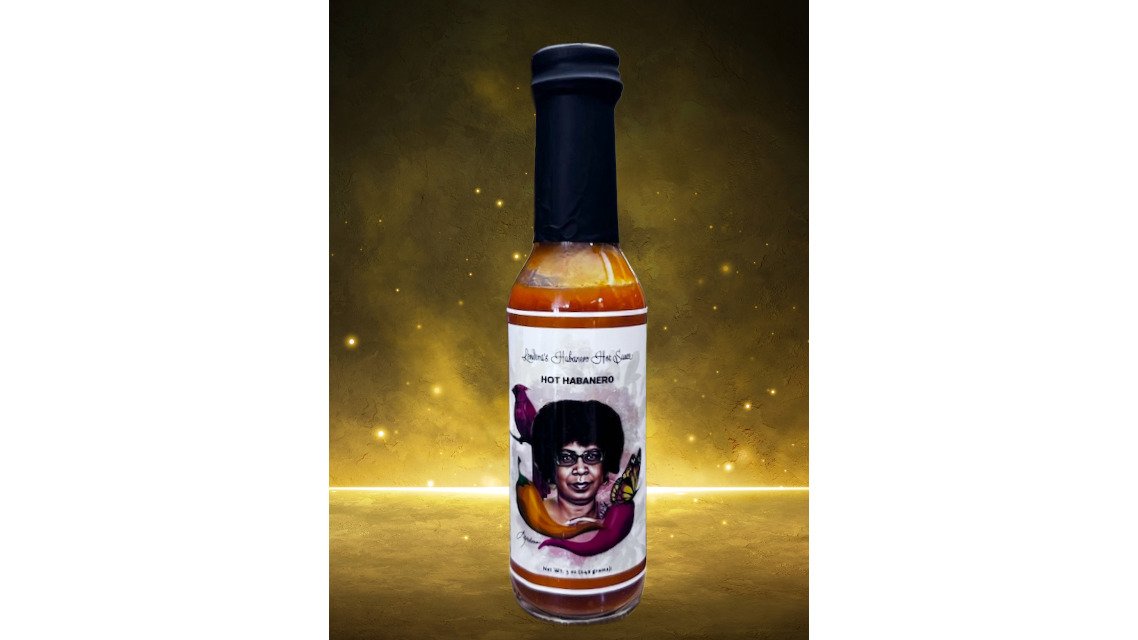
A mild flavorful habanero hot sauce keeps the pepper's tropical fruit and floral aroma while dialing the burn down to an everyday level. Makers tame habanero heat by removing the seeds and pith, then diluting with carrot, tomato, mango, or pineapple instead of water. Lendora's Habenero Hot Sauce is built around that flavor-first idea.
- Most habanero heat lives in the pith and seeds, so removing both reduces the burn while keeping the fruit.
- Start with one seeded pepper per cup of filler and taste after blending, since you can add heat but not remove it.
- Dilute with carrot, roasted tomato, mango, or pineapple rather than water, which thins the sauce and mutes the pepper.
- Rest the sauce overnight, because a sauce that tastes sharp on day one often reads smoother on day two.
- Each Lendora 5 oz bottle is made in Virginia and priced at $10.00.
Table of Contents
- Why Mild Flavorful Habanero Hot Sauce Belongs in Your Kitchen
- The Habanero Hot Sauce Flavor Profile: Fruit, Smoke, and Herbs
- Habanero Hot Sauce Heat Level: Where It Sits and How to Tame It
- Habanero Sauce for Tacos: Building a Plate That Works
- Habanero Sauce for Seafood: Bright Heat Without Overpowering
- Comparing Mild Habanero Bottles Side by Side
- Storing, Preserving, and Keeping Your Sauce Safe
- Picking Your First Bottle From Lendora's Lineup
- Frequently Asked Questions
Why Mild Flavorful Habanero Hot Sauce Belongs in Your Kitchen
Habanero heat scares off a lot of cooks, and that's a shame. The pepper carries one of the most complex flavor profiles in the chile family, all tropical fruit and floral aroma, and you lose all of it when a sauce is built only to punish your tongue. Balancing this vibrant heat requires an understanding of how authentic spice profiles interact with fresh ingredients to elevate a dish without overwhelming the palate.
Below, we'll show you how habanero heat actually works, which ingredients tame it, and how to pick a bottle that earns fridge space instead of collecting dust.
The 2026 USDA food composition database lists habanero peppers among the most capsaicin-dense chiles sold in the United States, which is precisely why sauce makers blend them rather than serve them straight.
The Habanero Hot Sauce Flavor Profile: Fruit, Smoke, and Herbs
The habanero hot sauce flavor profile is fruit-forward, lightly smoky, and floral, with a heat that arrives late and fades slowly. Orange and red habanero varieties lean tropical and citrusy; the Caribbean habanero brings a sharper, more perfumed aroma. That natural sweetness is why fruit-based sauces work so well with this pepper.

If you're unsure whether fruit belongs in a savory sauce, our guide to whether fruit based hot sauce is good walks through the logic before you spend a dollar. For a bottle that leans into that fruit-forward character, the pineapple habanero hot sauce shows what the style tastes like when it's done with restraint.

What Makes a Habanero Taste Different From a Jalapeño
A jalapeño tastes green and grassy with a quick, clean burn. A habanero tastes like apricot and scotch bonnet, and its heat builds over several seconds instead of hitting instantly.
Habanero Hot Sauce Heat Level: Where It Sits and How to Tame It
The habanero hot sauce heat level sits well above a jalapeño on the Scoville scale, so the goal in a mild bottle is dilution, not elimination. A fresh habanero is far hotter than a jalapeño, but a finished mild habanero sauce is diluted with other ingredients so the pepper's flavor still comes through.
Most of the heat lives in the pith and seeds, not the flesh, so removing both before blending is a common way to reduce the burn while keeping the fruit and floral aroma of the pepper.
A Practical Method for Making Habanero Sauce Genuinely Mild
- Seed and core the peppers. Halve each habanero, scrape out the seeds and white pith with a spoon, and discard them. Wear gloves, capsaicin lingers on skin and transfers easily to eyes.
- Start with fewer peppers than you think you need. Begin with one seeded pepper per cup of filler and taste after blending. You can always add heat; you cannot take it out.
- Dilute with body-building ingredients, not water. Carrot, roasted tomato, sweet red pepper, mango, or pineapple add sweetness and viscosity that mask capsaicin. Water thins the sauce and mutes the pepper.
- Balance with acid and salt. White vinegar, apple cider vinegar, or lime juice keeps the sauce lively; salt sharpens the pepper flavor. A pinch too little salt and the whole batch tastes flat.
- Rest the sauce overnight. Heat perception changes after the flavors marry, a sauce that tastes sharp on day one often reads smoother on day two.
Watch out: tasting straight from the blender gives a misleading read because the sauce is still warm and the capsaicin is unevenly distributed; let it cool and stir before judging.
Ingredients That Balance the Heat
- Acidity: white vinegar or apple cider vinegar for tang, lime juice for brightness
- Sweetness: sugar, maple, carrot, or pineapple to round off the burn
- Aromatics: garlic, onion, shallot, cumin, allspice, black pepper
- Body: olive oil or tomato for a smooth, pourable consistency
Salt matters more than most people expect. A pinch too little and the whole sauce tastes flat. For a deeper walkthrough, see our flavor-balancing guide for beginners.
If you are buying rather than making, read the label the way a maker would. Ingredients are listed in descending order by weight, so a bottle whose first ingredient is water or vinegar and whose habanero appears near the end is likely thin rather than genuinely mild. A mild sauce worth buying lists pepper, fruit or vegetable, vinegar, and salt in an order that suggests the pepper is still doing real work.
Habanero Sauce for Tacos: Building a Plate That Works
Habanero sauce for tacos works best as a finishing drizzle, not a marinade. The fruit and acidity cut through rich fillings like carnitas or birria, and a modest amount adds zing without overwhelming the tortilla.
Build the plate in this order: warm tortilla, protein, a crisp element like cabbage or radish, then the sauce. Add lime last.
Habanero Sauce for Seafood: Bright Heat Without Overpowering
Habanero sauce for seafood succeeds when the sauce stays bright rather than smoky. Fish and shellfish are delicate, so a sauce with lime juice and a light vinegar base complements them; a heavy, sweet sauce buries them.
Drizzle a few drops over grilled shrimp, sear scallops and finish with sauce at the table, or spoon it over fish tacos just before serving. For specific bottle recommendations, our ranking of the best hot sauce for fish tacos covers four options side by side.
Comparing Mild Habanero Bottles Side by Side
Most mild habanero bottles on the market fall into three broad styles, and knowing which style you want narrows the choice fast.
| Style | Heat Level | Dominant Flavor | Best For |
|---|---|---|---|
| Fruit-forward | Mild | Pineapple, mango, citrus | Seafood, grilled chicken |
| Vinegar-forward | Mild to medium | Tangy, sharp | Tacos, sandwiches, eggs |
| Pickle or savory | Mild | Brine, dill, garlic | Burgers, wings, vegetables |
Storing, Preserving, and Keeping Your Sauce Safe
Storage depends on the bottle, but the underlying rule is the same: acid and salt are what keep a pepper sauce safe, and both need to be at the right level before the sauce ever goes in the fridge. Always check the label for the maker's own storage guidance.
For home-made sauce, the USDA home canning guidance is the reference to follow for acid levels and processing times. The commonly cited target for a shelf-stable pepper sauce is a pH at or below 4.6, which is why tested recipes specify vinegar quantities by volume rather than by taste. Getting the acidity wrong is the one mistake you cannot taste your way out of, a sauce that looks and smells fine can still support harmful bacteria if the pH is too high.
Refrigerator, Freezer, or Pantry
Watch out: garlic and oil blended into a sauce without enough acid create a low-oxygen environment where botulism risk rises, so never stretch a recipe's vinegar or lime juice to make it taste milder, adjust heat with filler ingredients instead.
Signs a Bottle Has Turned
Discard any sauce that shows mold, a bulging lid, a fizzy or fermented smell it did not have before, or a color shift toward dull brown. Separation alone is not a problem, many natural sauces separate and need only a shake, but separation combined with an off smell is. When in doubt, throw it out; a $10.00 bottle is not worth the risk.
Lower-Sugar, Low-Sodium, and Vinegar-Sensitive Options
Not every reader wants a sweet or salty sauce. Lower-sugar versions lean on roasted carrot, tomato, or sweet pepper for body instead of fruit juice or added sugar. Low-sodium bottles exist but often taste flat because salt carries the pepper flavor, so a small amount of lime zest or extra garlic can compensate. Readers sensitive to vinegar can look for lime- or lemon-juice-based sauces, though these still need enough acid to stay safe, the source of the acid can change, but the pH target does not.
Picking Your First Bottle From Lendora's Lineup
Start with the bottle that matches how you actually cook. Our habanero hot sauce is the smoky, versatile starting point, tangy with a late kick that works on wings, eggs, and vegetables. If you want something brighter, the pineapple bottle leans tropical; if you want savory, the Hot Pickle brings bread-and-butter pickle flavor with habanero behind it.
Every bottle is made in Virginia, and each 5 oz bottle is priced at $10.00. One customer put it simply: "I've been putting it on everything since last weekend."
Frequently Asked Questions
Can habanero hot sauce be mild?
Yes. Heat in a habanero sauce comes from how many peppers go into the bottle and what else is in it. Sauces built around red peppers, Cubanelle peppers, vinegar, and aromatics can carry habanero aroma and fruitiness at a heat level most people handle comfortably. The trick is reading the ingredient order: if habanero sits far down the list, the sauce is usually mild flavorful habanero rather than a burn-first bottle.
What does habanero hot sauce taste like?
Habaneros bring a fruity, slightly floral note with a smoky edge, which is why they pair well with pineapple, citrus, and herbs. A well-made bottle tastes tangy from vinegar, warm from the pepper, and layered rather than flat. Lendora's Habanero Hot Sauce, for example, blends red peppers, distilled vinegar, apple cider vinegar, habanero, Cubanelle peppers, and spices for a smoky finish with a twist of heat.
How can you make habanero hot sauce less spicy?
Three practical moves: pick a bottle where habanero is not the first ingredient, cut the sauce with something creamy or sweet (yogurt, honey, mango puree), or use it as a finishing drizzle instead of a base. Adding a squeeze of lime juice or a spoon of sugar to a serving bowl also softens the bite. Start with a quarter teaspoon, taste, then build up.
What foods pair well with mild habanero hot sauce?
Tacos, grilled shrimp, fish tacos, wings, roasted vegetables, eggs, and rice bowls all work. The fruit-forward style suits seafood and pork, while a pickle-forward bottle shines on burgers, fried chicken, and anything you would eat with pickles. Use it as a drizzle at the table rather than cooking it in, so the fresh pepper aroma survives the plate.
Is habanero sauce hotter than jalapeño sauce?
A raw habanero pepper measures far hotter than a jalapeño on the Scoville scale, but the sauce in the bottle depends on the recipe. A jalapeño sauce made with the seeds and pith can outburn a habanero sauce diluted with red peppers, vinegar, and sweet additions. Judge by the ingredient list and the pepper-to-everything-else ratio, not the pepper name alone.
What ingredients balance the heat in habanero hot sauce?
Sweet, acidic, and fat-based ingredients all calm the burn. Sugar, maple, pineapple, and carrot add sweetness; apple cider vinegar, white vinegar, and lime juice add tang; olive oil and dairy coat the palate. Aromatics like garlic, onion, shallot, cumin, allspice, and black pepper round out the flavor so the heat reads as warm rather than sharp.
A cabinet full of sauces that all taste the same is a cabinet wasted. Lendora's Habenero Hot Sauce builds every bottle around balanced heat, fresh herbs, and real pepper flavor, with varieties like Pineapple, Lemon Pepper, and Hot Pickle that each earn their place on a different dish. Grab a bottle today and find out how far a little flavor-forward heat can take a weeknight dinner.
